Rotary blades should not have to be replaced every few weeks. It usually means the machine’s settings or a part of its care routine needs a fix.
Anyone who operates a rotary cutting machine on a daily line knows that the real expense is not the machine. It is the continuous coming in of new blades. Small changes in coating, speed and maintenance can extend blade life far beyond what most people expect.
This guide explains what the machine is doing. It looks at what features will keep the edge of the blade protected the longest. It also compares simplicity, auto and electric models and shows the cost of each type.
What Is a Rotary Cutting Machine?
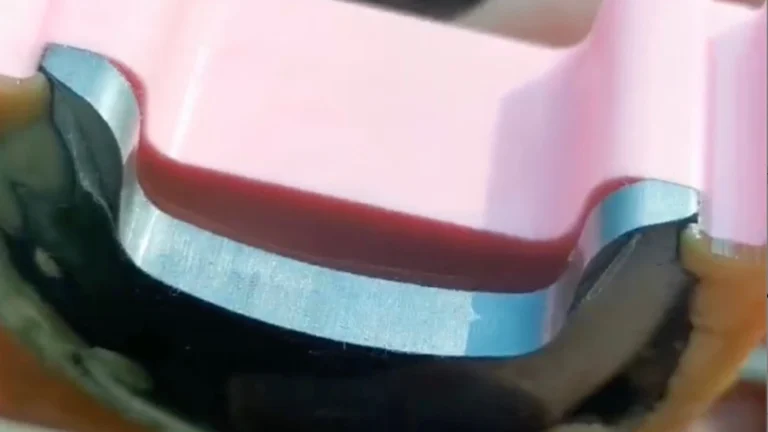
A rotary cutter is a machine that uses a rotating round blade to cut fabric, paper or thin composite material. The blade moves in one smooth motion . The round edge rolls through the material, unlike a straight blade. It doesn’t push straight down.
The rolling action distributes wear over the whole edge, instead of in one spot. That’s one big reason blade life can vary so much. The rotary cutting machine can be operated semi-automatic, fully automatic or by hand.
| Attribute | Typical Detail |
| Blade shape | Round, spins during the cut |
| Common materials | Fabric, paper, thin composites |
| Power source | Manual, electric, or air-powered |
| Main wear factor | Coating type, speed, cutting pressure |
What Is the Rotary Cutting Process?
Rotary cutting is a process in which a round blade spins and is guided along a predetermined path through material. This can be done by hand or with a powered arm. The blade continues to turn as it moves. Every little piece of the edge touches the material for a second and then it is gone.
This is unlike straight-blade cutting. A straight blade cuts with the same edge every time, so it becomes dull in the same place very quickly. Rotary cutting is perfect for composite and multi-layer fabric jobs. The rounded edge handles allow for even stacking of the layers.
What Rotary Cutting Machine Features Extend Blade Life Most?
The three features that extend the life of the blade the most are: blade coating, cutting speed and good maintenance. They all affect wear in their own way. Even if you get one right and ignore the others it still shortens the life of the blade.
- Edge Coating Keeps Friction Down And Rust Away
- Speed controls the heat and stress that builds up with each cut
- Maintenance clears debris before it dulls the blade.
- Blade alignment keeps uneven pressure from chipping one side first.
Blade Coating Types and Their Durability
For longer blade life, titanium and carbide coatings are the two most common options. Titanium adds a hard, low-friction layer to a steel core. This layer avoids accumulation of glue and sticky material.
In general, carbide blades are harder. They hold a sharper edge longer in steady industrial use but cost more to start. Uncoated steel blades are the cheapest but dull the quickest. This is worse on rough materials such as fibreglass composite.
How Cutting Speed Affects Wear
The cutting speed impacts the blade wear, as a blade pushed faster than the material can handle creates more heat. The heat takes the edge off, every time. This speeds up dulling even on a well coated blade.
You have to match speed to material thickness, and that’s more important than most people realise. A variable speed machine slows down for thick or layered material. It is quicker for thin jobs. This distributes wear more evenly than a fixed speed unit.
Maintenance Habits That Prevent Premature Dulling
To prevent the edge from dulling too soon, the best habits are regular cleaning and oiling. Paper dust, glue residue and fabric lint collect along the edge over time. If left to build up, it’s like sandpaper.
A daily quick wipe-down, with more detailed inspection on a set schedule, catches small chips before they become cracks. Keeping blades flat and dry between shifts stops the light rust that can take days to eat away at an edge.
Simplicity vs Auto vs Electric Models Compared
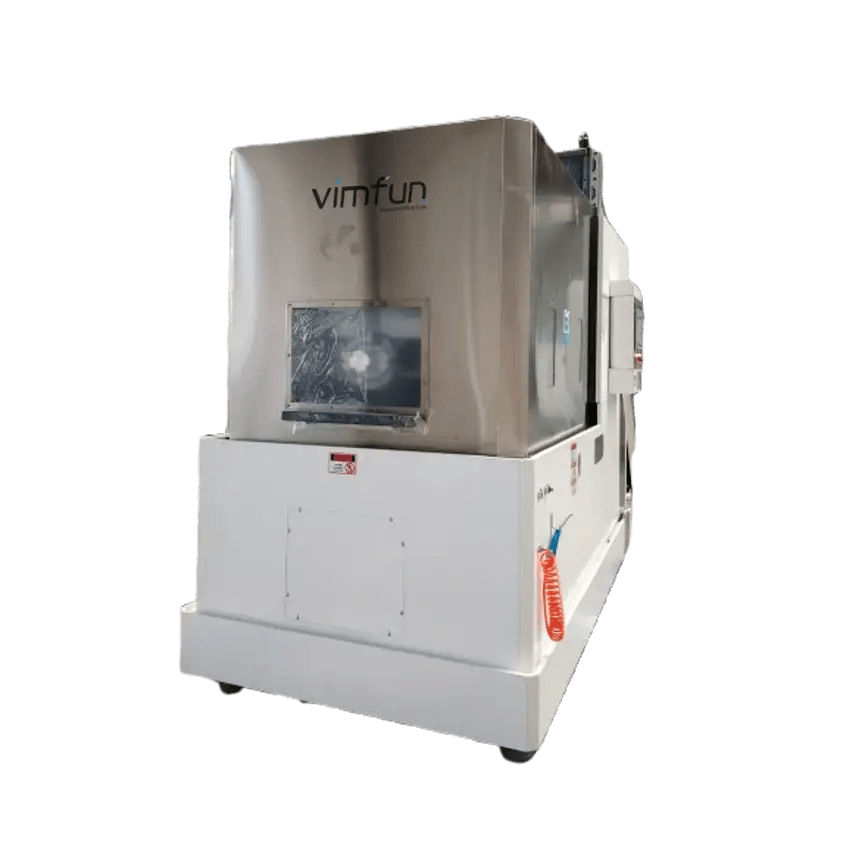
The type of machine has a lot to do with how evenly a blade wears out. A simplicity rotary cutter is a manual, basic design. It’s good for small shops who want low maintenance and easy to find parts.
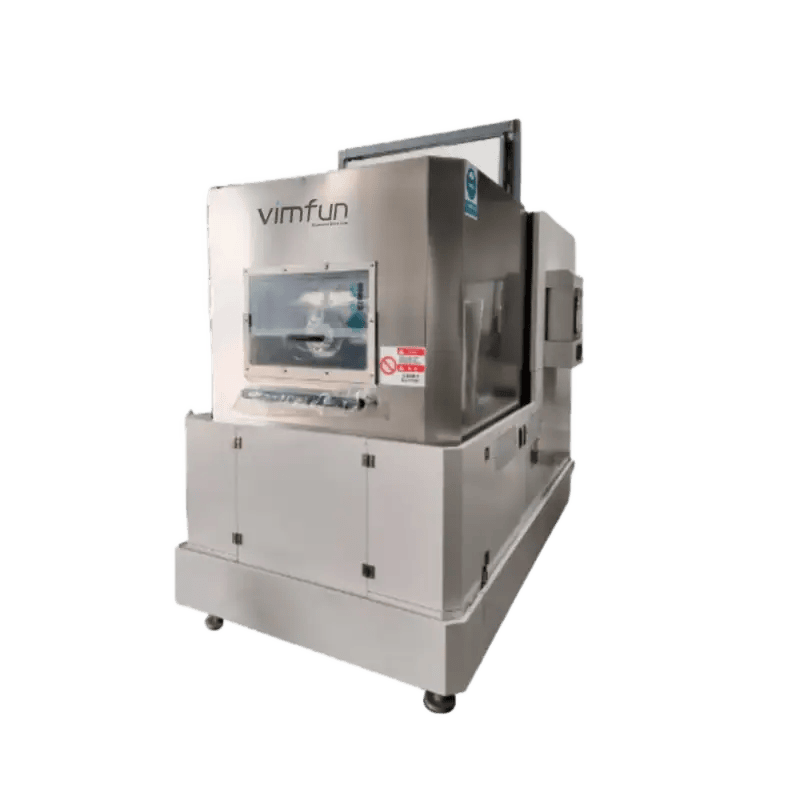
Auto rotary cutting- machine with self-controlled blade rotation and pressure. It reduces the uneven wear caused by doing it by hand. Between is an electric rotary cutting machine. It is driven by a motor to keep a constant speed, but still controlled by a person.
| Type | Blade Wear Pattern | Control Precision | Typical Price Range |
| Manual/Simplicity | Uneven, depends on operator | Low | Lowest |
| Electric | More even, motor-driven | Moderate | Mid-range |
| Auto | Most even, fully controlled | High | Highest |
Finding real replacement parts for a simplicity rotary cutting machine is just as important as finding the blade itself. On an older manual unit, you may have a worn belt or a loose tension arm that’s affecting pressure. This will cut a new blade unevenly.
Maintenance Routines That Extend Blade Life
The single biggest thing that an operator controls directly is a consistent maintenance schedule. These steps are the same for manual, electric and automatic models.
- Clean the blade and housing of dust and residue after each shift.
- Weekly, check blade tension and alignment
- Change or rotate the blade when it begins to nick, not when it breaks
- Apply approved lubricant to moving parts on a regular schedule.
- Store machine in dry place, away from damp air
If one of these steps is skipped, even with the right coating and speed, the life of the blade will be shortened.
What Is the Cost of a Rotary Cutting Machine?
Industrial auto models are generally more expensive than entry-level machines. Most of the price difference is due to automation and build quality, not the blade. Light craft use requires only a simple hand unit. The auto models are designed for high volume, daily cutting.
The long-term cost is much more influenced by blade quality than the price tag. An uncoated blade that requires changing every few weeks can cost more in the course of a year than a titanium-coated blade that is changed half as often.
Replacement part costs also vary by model type. The individual parts of a simplicity unit tend to be less expensive. On the whole, auto models tend to require less replacements as wear is more evenly distributed.
Which Cutter Machine Is Best for Your Needs?
The best cutter machine depends on how much you cut, what material you use and how much control you want over speed and pressure. There isn’t a single best pick for all shops.
- Home or craft use: usually a manual or simplicity model will be enough
- Electric model balances cost and steady results for small business with steady cutting
- Auto model reduces downtime and blade changes for industrial or high-volume work
Learning to Use a Rotary Cutting Machine
A good tutorial on a rotary cut machine will walk you through blade setup, speed settings and safe hand position before moving on to advanced skills. Most early blade damage begins with skipping the basics.
A good video of a rotary cutting machine, either from the manufacturer or a reputable trade source, will demonstrate the proper blade angle and feed pressure better than written steps alone. If you check a few sources this is a pretty common way of doing it. Not just something that one person does.
Common beginner mistakes are to push the blade too fast, cut at an incorrect angle and not take a warm-up pass on a new blade. Reading reviews of rotary cutting machines before you buy can also help you avoid models with known tension issues.
Frequently Asked Questions
What is a rotary cutting machine?
A rotary cutter is a device with a spinning round blade that cuts fabric, paper and thin composites. This is typical of garment work, packaging, and hobby or craft cutting.
- Works more evenly with multi-layer fabric than with straight blades
- Works Manual, Electric, and Auto Types
How much does a rotary cutting- machine cost?
Price depends much on the degree of automation, from cheap manual units to more expensive industrial automated machines. The final price will also be affected by the type of blade and the parts that are included.
- Manual and simplicity models are at the bottom
- Auto and industrial models are at the high end
What is the best cutter machine for beginners?
For beginners, a manual or simplicity model is best as they are cheaper to maintain and easier to learn. It also provides new users with direct feedback on pressure and angle.
How often do you change the rotary blades?
Rotary blades should be replaced when they start to nick, drag or cut unevenly, not at some fixed calendar date. How often depends on the material, speed settings and care habits.
- Light fabric work wears blades less than heavy composite use.
- A coated blade, if well maintained, will last a lot longer than a neglected uncoated one
But do coated blades last longer?
Yes, coated blades will outlast uncoated steel blades in the same cutting conditions. Titanium and carbide coatings both reduce friction and resist rust, speeding up dulling.
Conclusion
Blade coating, the right speed and steady maintenance matter more than brand name alone for extending blade life on rotary cutting machine. If you get those three right, replacement costs will go down, regardless of the type of model you use.
For shops that want to compare the simple, electric and auto options side by side, Vimfun’s machine and parts comparison is a good place to start. The listings specify blade fit and how to source replacement parts by model, which is usually the hardest detail to find anywhere else.