Have you ever had to halt a production line because too many wafers cracked and the cut wasn’t good? This issue has come up a lot in my 11 years of working with wire saw wafer slicing. In actual life, every cracked wafer costs money, time, and slows down delivery.
This article will describe how wire saw wafer slicing is used in factories every day. I will speak about the cost of the equipment, the speed of the cutting, the quality of the wafer, and the loss of material. I will also show you which machine works best with each kind of material. Before you purchase a machine, you will discover basic data, simple comparisons, and helpful purchasing tips.
Technical Working Principle Behind Wire Saw Wafer Slicing
It is easy to cut hard crystal blocks into thin wafers using Wire Saw Wafer Slicing. A thin wire containing slurry or diamond grit moves gently through the material and slices it. The gradual cut helps keep the wafer face clean and smooth. This approach works on ceramic, germanium, sapphire, and silicon materials.
A sophisticated equipment for cutting silicon wafers can cut more than one wafer at a time. It also helps maintain the thickness of the wafers the same from piece to piece. This is why numerous chip companies utilize this method every day to make sure everything runs smoothly and safely.
Precision Data For Modern Wire Saw Wafer Slicing Performance
| Technical Point | Typical Value | Production Effect | Notes |
| Wire speed | 10–25 m/s | Faster cutting | Depends on material |
| Wafer thickness | 100–800 μm | Product flexibility | Thin wafer needs control |
| Kerf loss | Low | Better material saving | Important for costly crystal |
| Surface finish | Fine | Less polishing work | Helps later process |
Which Machine Type Provides Better Wafer Cutting Value?
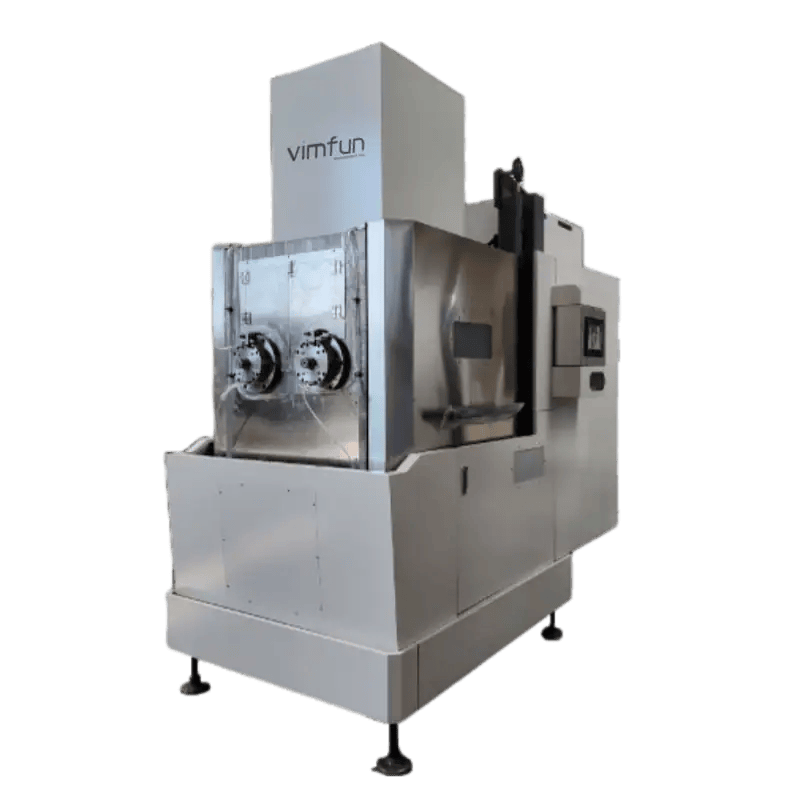
The cost, speed, and quality of the wafers may all alter depending on whatever equipment you use. A High-speed multi-wire saw is good when a factory wants to cut many wafers very fast. A 2-roller wire saw is a fantastic choice when it’s highly vital for the wire to move smoothly. A single-station wire saw wafer slicing is great for modest projects and testing.
Every machine functions differently. The optimal machine depends on the material, the size of the wafer, and the demands of the firm. The correct machine may help you save on materials, cut down on breakage, and boost your daily productivity.
Output Focus Between Multi-Wire And Single Station Systems
A multi wire saw operates at high speeds and it is able to produce multiple wafers during one cycle. Large organizations use this equipment so that they are able to manufacture many units daily and operate more efficiently. When a person uses a single station wire saw, they produce a low number of wafers but they have more authority over the process. It is common for workers to operate this machine for trials, small tasks plus new items.
As a company performs large manufacturing projects, multi wire machines are useful because they lower the amount of money spent every day. If a task requires that a worker avoids damage to the material, a single station machine is a more secure option. To select a machine, teams in a factory examine the rate of production, the price and the protection of the wafers. Wire saw wafer slicing helps cut wafers with high accuracy.
Production Capacity Comparison For Wafer Slicing Systems
| Machine Type | Output Level | Best Use | Cost Level |
| High-speed multi-wire saw | Very high | Mass production | High |
| 2-roller wire saw | Medium-high | Stable industrial work | Medium |
| Single-station wire saw | Low-medium | R&D and samples | Lower |
| Precision thin-wafer dicing saw | Medium | Ultra-thin wafers | Medium-high |
Key Selection Points For Factory Production Planning
- Big factories often use high-speed multi-wire saw machines.
- Small jobs often use single-station wire saw machines.
- 2-roller wire saw machines help keep the wire steady.
- Thin wafers often need a precision thin-wafer dicing saw.
Cost Efficiency Comparison Across Common Wafer Saw Types
| Machine | Speed | Accuracy | Best Sector |
| High-speed multi-wire saw | Very fast | High | Solar and semiconductor |
| 2-roller wire saw | Fast | Stable | Industrial electronics |
| Single-station wire saw | Moderate | Very high | Lab and R&D |
| Precision thin-wafer dicing saw | Moderate | Ultra-high | Micro devices |
Big companies generally employ multi-wire machines because they can cut a lot of wafers quickly. Single-station machines are straightforward to operate, thus they are typically used for little work. Dicing saw equipment may assist keep thin wafers from breaking and make cutting safer.
How Does Material Type Affect Cutting Speed and Surface Finish?
The kind of material may have a big effect on the cutting speed and the surface of the wafer. Silicon is simpler to cut than sapphire since it is not as hard. Germanium can also cut more smoothly than many hard crystal minerals. If you need a clean surface, a low subsurface damage wafer saw is a suitable choice.
To avoid fractures and chips, you typically need to cut hard materials slowly. Softer fabrics can frequently cut more quickly. The appropriate settings on the machine assist conserve the wafer and make polishing easier afterward. Wire saw wafer slicing gives smooth and clean wafer surfaces.
Hard Crystal Cutting Behavior In Different Industrial Materials
Sapphire is incredibly hard and may break easily, hence a sapphire wafer dicing saw is typically employed. Because gallium arsenide may chip extremely readily, GaAs wafer cutting tools need to be carefully controlled. Because germanium is softer, a germanium wafer saw may make a smoother edge.
Every kind of material demands a different wire speed, feed speed, and wire tension. If the settings are wrong, the wafer might crack and generate extra waste. A good worker constantly adjusts the machine settings to fit the material. This helps speed things up and make the wafer surface cleaner.
Material Response For Different Wafer Cutting Jobs
| Material | Cutting Difficulty | Surface Risk | Common Machine |
| Silicon | Low | Low | Silicon wafer slicing machine |
| Sapphire | High | Medium-high | Sapphire wafer dicing saw |
| GaAs | Medium-high | High | GaAs wafer cutting equipment |
| Germanium | Medium | Medium | Germanium wafer saw |
Important Process Factors For Better Surface Quality
- Hard materials need slow cutting.
- Soft materials can cut faster.
- Good wire tension helps stop edge chips.
- A Low subsurface damage wafer saw helps lower polishing work.
Material Comparison For Speed And Surface Stability
| Material | Speed Potential | Damage Risk | Main Sector |
| Silicon | High | Low | Chips and solar |
| Sapphire | Low | High | LED and optics |
| GaAs | Medium | Medium-high | RF electronics |
| Germanium | Medium-high | Medium | Sensors |
Cutting silicon is usually the simplest and quickest. Sapphire has to be cut slowly. You have to be very cautious with GaAs. Germanium may make a clean cut. The kind of material may affect the cutting speed, the amount of waste, and the final surface of the wafer.
What Makes Wafer Output Better In Real Factory Production?
Fast cutting isn’t the only thing that makes a lot of output. There are also a lot of little things that matter. The incision stays clean when the wire moves smoothly. Fewer damaged wafers mean less money spent. It also takes less time to polish after cutting. Factories keep track of how many nice wafers they receive each day.
A piezoelectric ceramic slicer could cut more slowly, yet it can still make more excellent wafers. Good cooling makes things cooler. Keeping the right amount of tension on the wire may assist prevent fractures and edge damage from happening. Wire saw wafer slicing is used in silicon and sapphire cutting.
Factory Setup Choices That Raise Daily Usable Wafer Output
When a factory changes how machines are set up, they can swiftly make more products each day. A clean slurry flow makes the wire cut smoothly. Good wire tension prevents microscopic fractures from forming on the border of the wafer. Loading well is also extremely crucial. Bad loading might make one wafer thicker and another wafer thinner.
When thin wafers are likely to shatter, a Precision thin-wafer dicing saw is commonly employed. In a lot of manufacturers, setting up the machine carefully is just as crucial as the machine itself. A better setup typically implies that you get more nice wafers every day.
Output Improvement For Production Line Control
| Process Factor | Production Effect | Risk If Poor | Benefit |
| Wire tension | Better accuracy | Wafer crack | Stable cutting |
| Cooling flow | Lower heat | Surface burn | Better finish |
| Feed control | Lower breakage | Edge chip | Higher yield |
| Loading alignment | Even thickness | Thickness error | Better batch quality |
Practical Factory Lessons For Better Daily Yield
- Steady wire speed helps keep wafer size even.
- Better cooling helps lower heat.
- Good loading helps stop edge damage.
- Good feed speed helps make more good wafers.
Production Method Comparison For Better Factory Results
| Method | Main Advantage | Main Disadvantage | Best Sector |
| Fast cutting setup | High throughput | More break risk | Large factories |
| Balanced cutting setup | Stable quality | Medium speed | Semiconductor |
| Fine cutting setup | Best surface | Lower speed | Precision electronics |
| Thin-wafer setup | Less crack risk | Higher setup care | Sensors and MEMS |
You can’t just chop quickly to get the greatest results. To manufacture more excellent wafers, you need to manage the heat, the wire tension, and the feed speed. This helps manufacturers save money and not lose more wafers in the future.
Real Factory Output Examples From Wafer Slicing Projects
| Case | Material | Selected System | Result |
| Solar line | Silicon | High-speed multi-wire saw | Very high output |
| LED plant | Sapphire | Sapphire wafer dicing saw | Better edge quality |
| RF device plant | GaAs | GaAs wafer cutting equipment | Lower chipping |
| Sensor factory | Piezo ceramic | Piezoelectric ceramic slicer | Stable thin slicing |
FAQs
Is Wire Saw Wafer Slicing good for thin wafers?
Yes. It works well for thin wafers. It can cut with caution. It helps keep a lot of wafers from shattering. It also helps maintain the wafers the same size.
Which machine gives the fastest output?
The quickest saw is usually a high-speed multi-wire saw. It may cut more than one wafer at a time. This saves huge factories time. It also helps create more wafers every day.
Why is sapphire harder to cut?
Sapphire is quite tough. It may also break quite easily. This means that the cutting has to be slower. Good control helps keep chips and cracks from happening.
What lowers wafer polishing cost?
A flat wafer surface makes polishing less expensive. A Low subsurface damage wafer saw may create a cut that is cleaner. This implies that you won’t have to do as much additional work after cutting.
Can one machine cut many materials?
Yes. A single machine can cut a lot of different things. But the settings on the machine need to change. You need to match the wire speed and feed speed to the material.
Why does wire tension matter so much?
Tension in the wire helps achieve a straight cut. Wafers may shatter if there is too much stress. It might also make the wafer too thick or too thin.
Is Wire Saw Wafer Slicing cost-effective?
Yes. It may save money and minimize the risk of breakage. It can also make more nice wafers. This helps manufacturers save money in the long run.
Conclusion
Wire Saw Wafer Slicing is a very good way to cut wafers. It helps make excellent cuts, keep work steady, and cut down on waste. Using the correct machine for the proper material is the greatest way to get the best results in a real production. It’s excellent to cut quickly, but it’s much better to have more good wafers. Good settings may help you save more money over time.
Vimfun is a great option if you need a decent wafer cutting machine. Their equipment can cut through ceramic, germanium, sapphire, GaAs, and silicon. They also provide useful guidance and straightforward counsel. Vimfun is a great firm to purchase from or cooperate with if you want clean cuts, more production, and cheaper prices for your factory.