Quartz · crystal blanks and rod features

Quartz Wafer Slicing

Cut quartz crystal blanks into parallel slices, or use single-wire cutting for individual profiles and internal openings in quartz rods. Choose the machine from the blank dimensions, cut direction and finished-part drawing.

Parallel slicesMulti-wire configurationsCrystal orientationDefined by your drawingRod featuresSingle-wire cutting
Quartz rods of different diameters
Quartz rods shown as material examples.

Identify the material and drawing

Define the blank, cut direction and finishing allowance

For quartz crystal wafer cutting, the drawing should identify the material, blank dimensions, cutting plane and inspection datums. For piezoelectric parts, also specify the crystal orientation and axis convention. Keep enough stock for the required lapping or polishing operation.

01 · REFERENCE

Identify the blank

Supply dimensions, material identification and the available clamping surfaces. Distinguish crystal slicing from a rod feature or an individual profile.

02 · CUT

Specify the output

State the target slice thickness, quantity, cut direction and allowance for later material removal. Identify which surfaces are inspection datums.

03 · QUALIFY

Inspect the cut sample

Measure slice thickness, inspect the edges and surface, and check the stock remaining for finishing.

The drawing should state its axis convention. See the technical reference on quartz crystal orientation for background.


Quartz wafer slicing or an internal cut in a rod?

Parallel crystal slices

A multi-wire web cuts several parallel slices in one setup. SOM200 is intended for laboratory and pilot batches. SOMI-430 uses inverted feed and accepts longer blanks within its narrower cross-section limits.

Check the mounted blank against all three machine-capacity dimensions. Leave clearance for the fixture and the table movement.

Individual cuts and internal features

For an internal opening or profile in a quartz rod, send the drawing for an SVO-40 application check. The drawing needs to show the cut path, wire entry and clamping surfaces.

The wire needs access to the internal cut. Starting-hole preparation, minimum opening size and remaining wall thickness must be settled before the cutting trial.

Quartz wafer slicing and rod feature conceptsParallel slice conceptInner-feature concept
Parallel slicing and internal cutting — process concepts, not machine layouts.

Select by the operation

Choose the machine by blank size and cut geometry

LABORATORY & PILOT

SOM200

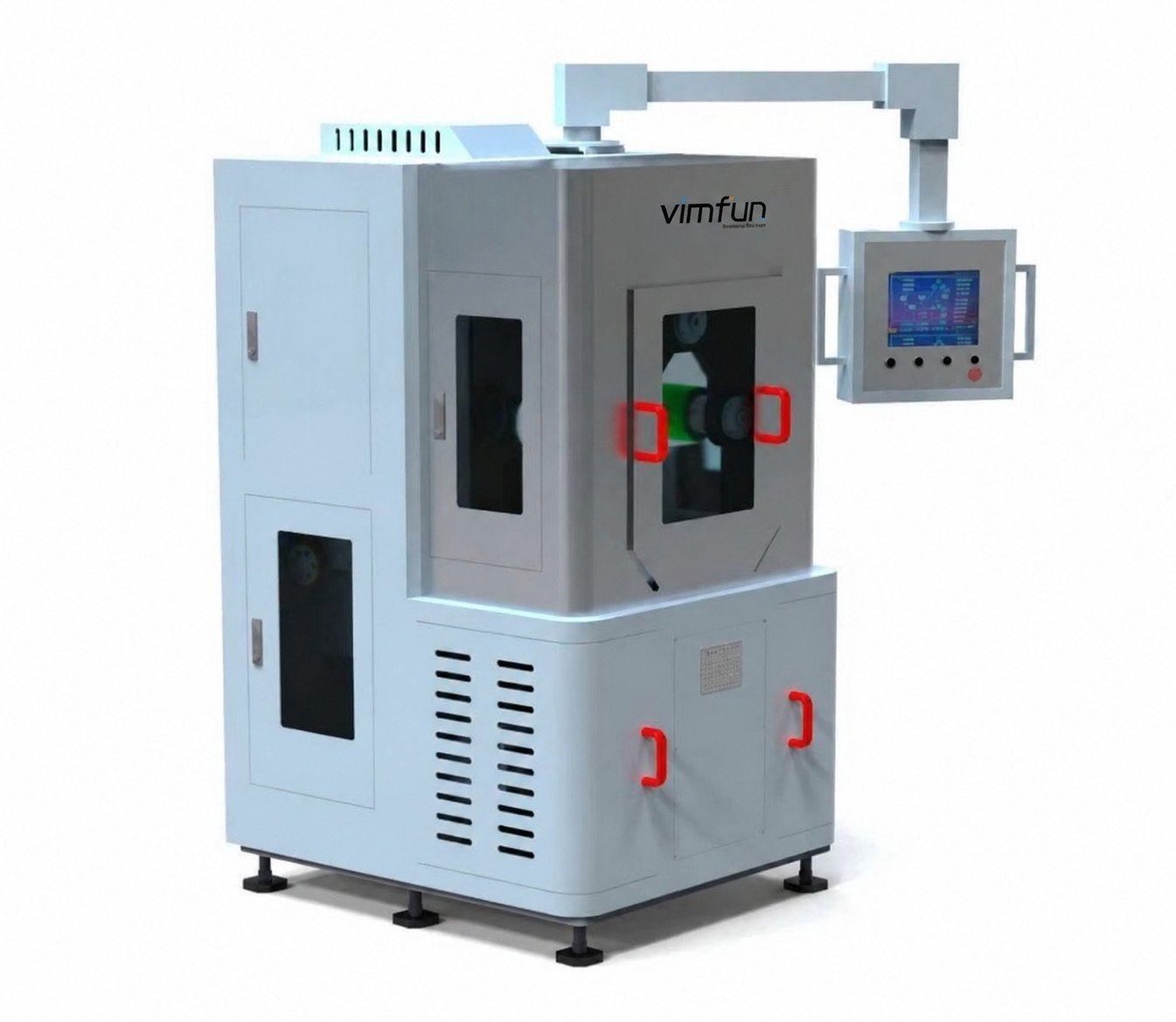
SOM200 compact multi-wire saw with control panel
SOM200 equipment view.

SOM200 is a compact multi-wire machine for small batches of parallel slices. Its listed materials include quartz and piezoelectric crystals.

Listed capacity: 200 × 200 × 200 mm, with a 0.3–12 mm slice range. Use a sample cut to establish the settings and thickness variation for your quartz blank.

View SOM200
LONGER BLANK · INVERTED FEED

SOMI-430

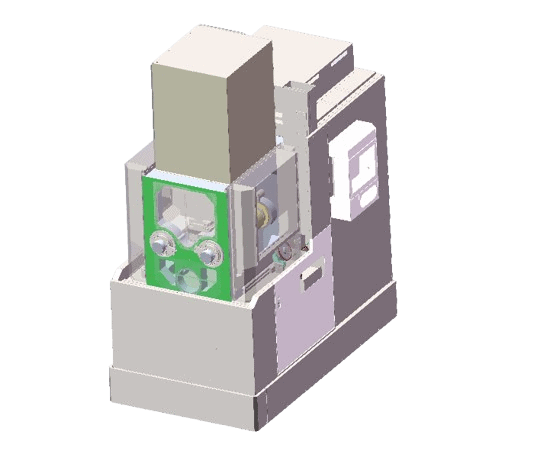
SOMI-430 inverted multi-wire saw illustration
SOMI-430 equipment illustration.

SOMI-430 feeds the workpiece upward into a two-spindle wire web. It accommodates longer blanks than SOM200, with less available width and height.

Listed capacity: 430 × 160 × 150 mm, with a 0.3–3 mm slice range. Send the quartz grade and fixture drawing with the enquiry.

View SOMI-430
SINGLE-WIRE · PROFILES

SVO-40

Internal cutting concept for a quartz rodQuartz rod · internal cut
Cutting concept — not a machine image.

SVO-40 uses a vertical spooled-wire arrangement for individual cuts and CNC profiles. Quartz rod internal cuts are assessed from the drawing, including wire access and workholding.

Listed capacity: 400 × 400 × 300 mm. Minimum slice thickness and internal-feature dimensions are application-specific.

View SVO-40

Machine capacities

ModelListed workpiece envelopeListed slice rangeCutting task
SOM200200 × 200 × 200 mm0.3–12 mmSmall-batch parallel crystal slices
SOMI-430430 × 160 × 150 mm0.3–3 mmInverted-feed parallel slicing
SVO-40400 × 400 × 300 mmConfirm for the applicationIndividual cuts, profiles and internal openings
Capacities refer to the workpiece, including its mounted orientation. Allow space for the fixture. Slice thickness is measured before finishing; include the stock needed for later lapping or polishing.

For other workpiece sizes and production arrangements, see the multi-wire machine range.

Record the conditions and the result

What should you measure in a quartz cutting trial?

For a batch of slices

  • Cut-plane reference and the method used to locate the blank.
  • Thickness and thickness variation at agreed measurement points.
  • Edge condition, surface acceptance and stock for finishing.
  • Accepted slice count, handling time and wire consumption.

For a rod or internal feature

  • External geometry, feature dimensions and required access.
  • Wire entry or starting-feature requirements.
  • Clamping surfaces and the material left around the cut.
  • Inspection datums and the required finishing allowance.

For quartz rod cutting, include the full rod and feature dimensions in the enquiry. Record the wire specification, fixture and cutting settings alongside the sample measurements so the result can be assessed against the proposed production job.

Use the precision slicing checklist to prepare your acceptance criteria. For subsequent finishing, see grinding and lapping equipment.

Questions before sending your enquiry

What orientation information does the cutting team need?

Provide the required cutting plane, crystal-axis reference and the datums used to position the blank. Crystal-orientation measurement is a separate requirement to specify with the job.

Does a specified slice thickness guarantee resonator performance?

No. Resonator acceptance also depends on the specified material, crystal orientation, finishing and component tests. A listed cutting range is not an electrical-performance specification.

What information is needed for an internal cut?

Send the opening size, internal corner radii, remaining wall thickness and proposed wire-entry route. These details determine whether the cut can be made and how the rod can be held.

When should I choose SOM200 instead of SOMI-430?

Compare the entire workpiece envelope: SOM200 offers 200 × 200 × 200 mm, while SOMI-430 offers a longer but narrower 430 × 160 × 150 mm envelope. Then check the slice range, mounting arrangement and required operating method.

Free sample cutting

Send the quartz blank drawing and intended cut

Include material identification, dimensions, orientation reference, target slice thickness or feature geometry, finishing allowance and inspection criteria. State whether you need parallel slices, a profile or an internal opening.

Send these details to Vimfun to discuss the machine, fixture and sample-cutting arrangement.

Request free sample cutting

CE certified · 12-month warranty · 12-hour response · Free sample cutting

Scroll to Top
Contact the Vimfun Team
Need a quote, support, or partnership discussion? Let’s connect.