Silicon carbide · material application

SiC Ingot Slicing

Match the cutting method to your silicon carbide blank, slice requirements and finishing allowance. Start with oscillating multi-wire slicing, then compare inverted feed or single-wire cutting where the geometry requires it.

Multi-wireParallel slicesSwing cuttingChanging contact conditionsSingle-wireIndividual cuts and profiles
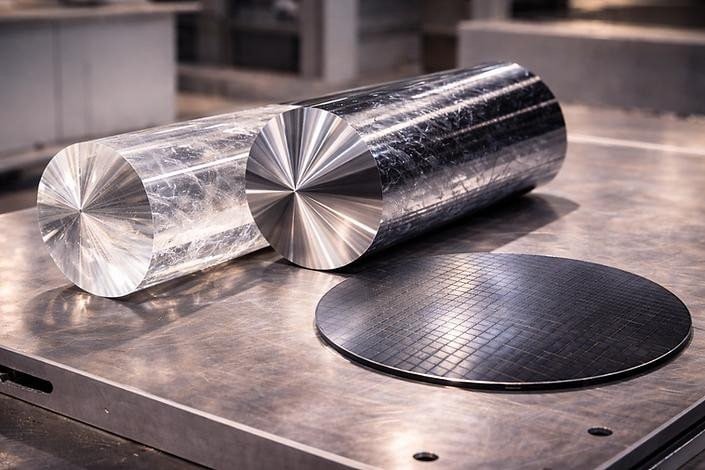
Cylindrical ingots and a wafer on a metal workbench
Ingots and wafer — material overview.

Define the output first

Where does slicing fit in the substrate process?

A silicon carbide ingot is the starting material, not the finished substrate. The cutting operation separates material into blanks or slices that still need the specified downstream treatment. Keep the incoming condition, cutting allowance and final acceptance criteria separate when preparing an equipment enquiry.

01 · PREPARE

Identify the blank

Provide material grade, dimensions, orientation requirements and the surfaces available for clamping. Identify any cut-off or geometry preparation needed before parallel slicing.

02 · SLICE

Select the cutting route

Use a multi-wire web for parallel slices. Evaluate a single-wire route when individual cuts or a defined profile are the main requirement.

03 · FINISH & INSPECT

Qualify the result

Allow for the required grinding, lapping or polishing process. Agree the inspection method before deciding whether a cut sample meets the requirement.

Silicon carbide wafer cutting at the ingot stage is distinct from dicing a processed device wafer into chips. This page covers blank preparation and slicing equipment.

Primary configuration · SOMIS-400

How does SiC ingot slicing use a rocking worktable?

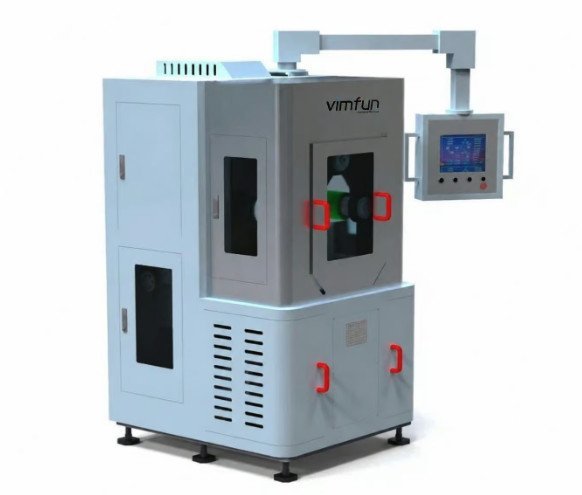
SOMIS-400 combines a reciprocating multi-wire system with a small-angle swing of the clamped workpiece. The worktable movement changes the instantaneous contact condition between the material and wire web. The model documentation describes this as a way to reduce contact area and distribute cutting load.

Workpiece rocking and wire reversal are separate motions. The swing function can be stopped when the process requires conventional feed. Upward or downward feed is an ordered configuration to confirm, rather than an assumed automatic switching capability.

Measure the benefit on your material

Do not select a SiC wire saw from a generic speed or yield claim. Compare cut time, accepted slices, wire use, edge condition and remaining finishing stock under recorded trial conditions.

There is no universal efficiency percentage or finished-wafer tolerance promised here. The grade, blank geometry, fixture and cutting settings must be evaluated together.

SOMIS-400 equipment illustration with enclosure and operator control panel
SOMIS-400 equipment illustration.
Read the oscillating cutting guide →

Three routes · different jobs

Which configuration fits your cutting task?

PRIMARY OPTION

SOMIS-400

Oscillating multi-wire slicing

Start here when evaluating swing cutting for hard, brittle SiC blanks. The three-spindle, single-station arrangement adds worktable rocking to the wire-web process.

Confirm the ordered feed direction, workholding and target slice requirements in a sample trial.

View SOMIS-400
INVERTED FEED

SOMI-430

Parallel thin-slice evaluation

Compare this two-spindle inverted multi-wire model when the blank and target slice range fit its listed capacity. Its material scope includes silicon carbide.

Choose it on the basis of the feed arrangement and trial result; inverted feed alone does not establish a yield improvement.

View SOMI-430
INDIVIDUAL CUTS

SVO-40

Single-wire slices and profiles

Evaluate this vertical, spooled-wire model for individual cuts or CNC profile requirements. It does not produce a stack of parallel slices in one multi-wire pass.

Send the drawing for a fixture and cut-access review. Profile detail, minimum slice thickness and feature limits require confirmation.

View SVO-40

Check the blank against the listed machine capacity

ModelListed workpiece envelopeListed slice rangeConfiguration to review
SOMIS-400400 × 160 × 160 mm0.3–15 mmThree spindles, single station, worktable swing; feed direction by configuration
SOMI-430430 × 160 × 150 mm0.3–3 mmTwo-spindle inverted multi-wire cutting
SVO-40400 × 400 × 300 mmConfirm for the drawing and materialVertical single-wire slicing and CNC profiles
These are model specification values, not validated SiC production recipes. A rectangular workpiece envelope is not a wafer-diameter rating. Allow for the fixture, orientation and motion clearance when reviewing a round ingot or an irregular blank.

The listed slice range is also separate from the finished thickness after material removal. Define the required finishing stock and allowable variation before choosing the cutting setup. Broader configurations are listed in the multi-wire machine overview.

Qualification before production

What should a cutting trial establish?

Dimensional and surface checks

  • Agreed thickness measurements across each sampled slice.
  • Edge-chipping and surface-condition acceptance criteria.
  • Orientation and reference-surface requirements.
  • Finishing allowance needed for the downstream process.

Production and cost inputs

  • Cutting time separated from setup, loading and inspection.
  • Accepted output, with rejection reasons recorded.
  • Wire consumption and relevant replacement events.
  • Fixture arrangement, feed settings and coolant conditions.
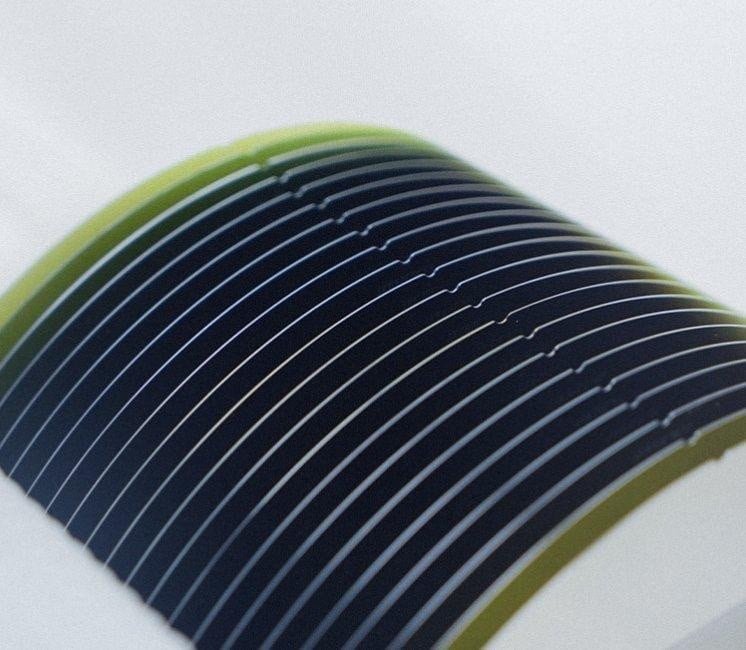
Rows of thin wafer slices supported in a holder
Wafer slices in a holder. Thickness and edge condition require inspection.

For cutting silicon carbide, a fast cut is useful only if the resulting material meets the agreed downstream requirements. A wire diameter alone is not enough to establish actual kerf loss, and an advertised maximum wire speed does not define a suitable cutting recipe. Use measured results to compare routes.

Build your acceptance checklist with the precision slicing inspection guide. Utilities, installation and the final supplied configuration should be confirmed with the quotation.

Questions to resolve before choosing a machine

Does SOMIS-400 produce finished SiC substrates?

The equipment performs cutting. Finished substrate requirements also depend on subsequent processing and inspection. Specify the required output condition and finishing allowance when requesting a trial.

Is swing cutting always better than inverted cutting?

They describe different aspects of the process: swing describes the worktable motion, while inverted cutting describes the feed arrangement. SOMIS-400 feed configuration must be confirmed. Compare complete setups and measured sample results, rather than treating the two terms as exclusive performance categories.

Can I infer wafer diameter from the model name?

No. The model number is not a SiC wafer-diameter rating. Use the listed workpiece envelope and submit the actual geometry, fixture and orientation for review.

When should I consider SVO-40 instead of a multi-wire machine?

Consider the single-wire route when an individual cut or CNC profile is the main requirement. For a batch of parallel slices, begin with the multi-wire options. The final choice depends on the drawing, material and trial acceptance criteria.

Free sample cutting

Send your SiC blank and target slice requirements

Include the material grade, incoming dimensions, drawing or orientation reference, target slice thickness, finishing allowance and inspection criteria. State whether you need parallel slices, individual cuts or a profile.

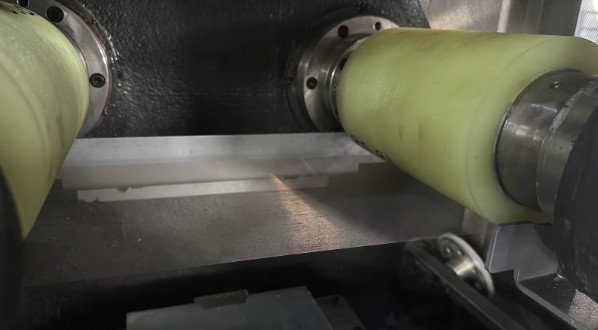
Close-up of multi-wire saw rollers and the parallel cutting wire web
Roller and wire-web detail. Image supplied for the trial discussion.

Vimfun can review the proposed SOMIS-400, SOMI-430 or SVO-40 route and discuss a representative trial. Confirm the sample arrangement and scope with the team.

Request free sample cutting

CE certified · 12-month warranty · 12-hour response · Free sample cutting

Scroll to Top
Contact the Vimfun Team
Need a quote, support, or partnership discussion? Let’s connect.