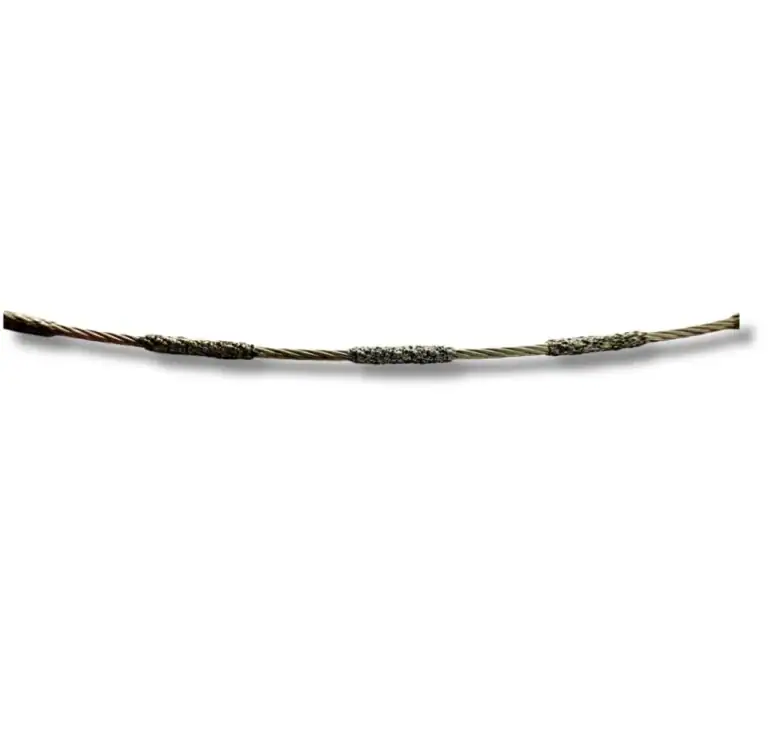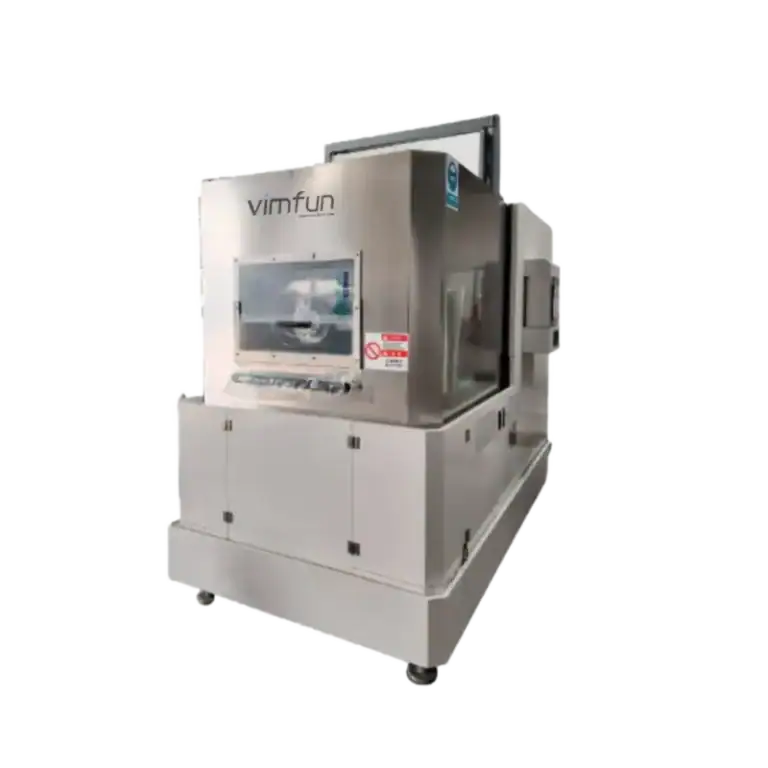
NdFeB 자석 연삭 및 연마는 슬라이스된 자석 블록을 코팅 및 조립 준비가 된 치수적으로 정밀한 부품으로 전환하는 마무리 단계입니다. 슬라이싱은 자석을 최종 치수에 가깝게 만들지만, 모터 라미네이션 스택, 정밀 센서 또는 ±2μm의 평행도 허용 오차와 Ra 0.5μm 미만의 표면 거칠기가 표준 요구 사항인 직접 구동 발전기의 경우 “가까운” 것은 충분하지 않습니다.
이 페이지는 슬라이스된 블랭크에서 완성된 자석까지의 공정 순서, 응용 분야별 표면 품질 요구 사항, 양면 래핑 장비 선택, 그리고 엄격한 TTV 제어를 달성하기 위한 주요 매개변수를 포함한 완전한 NdFeB 자석 연삭 및 연마 워크플로우를 다룹니다.
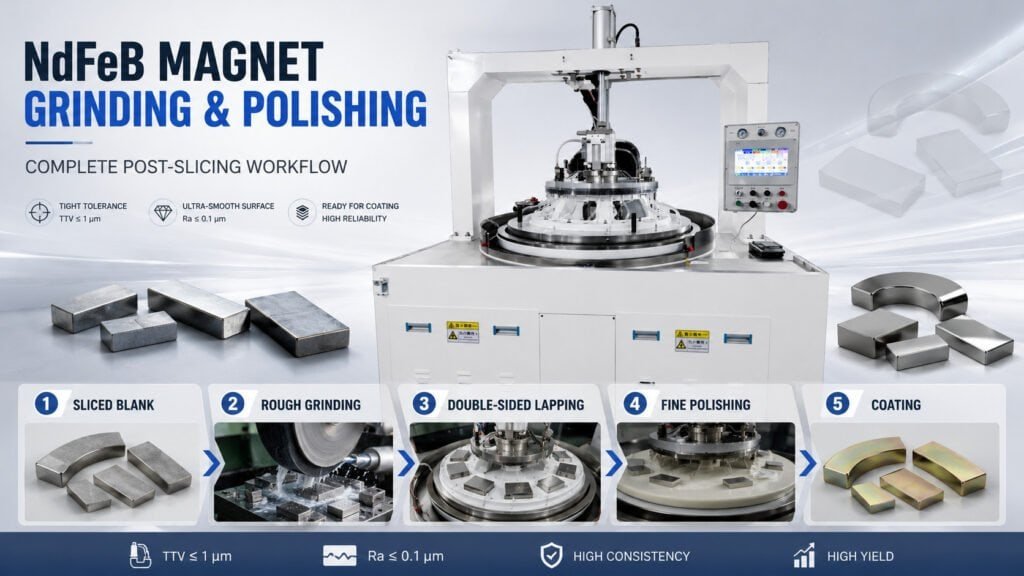
NdFeB 슬라이스 후 워크플로우 개요
NdFeB 자석 연삭 및 연마는 고정된 순서를 따릅니다. 각 단계는 정의된 양의 재료를 제거하고 다음 작업에 특정 표면 조건을 제공합니다.
슬라이스된 블랭크 → 거친 연삭 → 양면 래핑 → 미세 연마 → 코팅
슬라이스된 블랭크 상태: 와이어톱 슬라이싱은 일반적인 50 × 25mm 자석에서 Ra 0.5–1.5μm의 표면 거칠기와 5–15μm의 TTV(총 두께 편차)를 생성합니다. 많은 응용 분야에서 이는 불충분합니다. 모터 자석은 TTV ≤ 5μm를 요구하고 센서 자석은 TTV ≤ 2μm를 요구합니다.
거친 연삭: 슬라이싱 손상을 제거하고 자석을 거의 최종 두께로 만듭니다. 일반적으로 수지 결합 다이아몬드 휠을 사용하여 각 면에서 50–150μm를 제거합니다. 출력: Ra 0.3–0.8μm, TTV 3–8μm.
양면 래핑: 연마 슬러리가 있는 회전 래핑 플레이트에서 동시에 두 면을 처리합니다. 전체 생산 배치에 걸쳐 엄격한 평행도(TTV ≤ 1–2μm)와 일관된 두께를 달성합니다. 이것은 조립을 위한 치수 정확도를 결정하는 단계입니다.
미세 연마: Ra < 0.1μm를 요구하는 응용 분야에 선택 사항입니다. 센서 자석, 정밀 조립품 및 표면 상태가 와전류 손실에 영향을 미치는 고주파 서보 응용 분야에 사용됩니다.
코팅: 연마 후 적용되는 Ni, Zn 또는 에폭시 코팅. 래핑 종료 시 표면 상태는 코팅 접착에 직접적인 영향을 미칩니다. 거칠거나 오염된 표면은 조기 코팅 불량을 유발합니다.
그만큼 자석 슬라이싱 기계 업스트림은 연삭에서 제거해야 하는 재료의 양을 결정합니다. 다이아몬드 와이어 슬라이싱은 ID 톱 또는 블레이드 절단보다 얕은 표면 손상을 생성하여 필요한 연삭 재고를 줄이고 마무리 사이클 시간을 단축합니다.
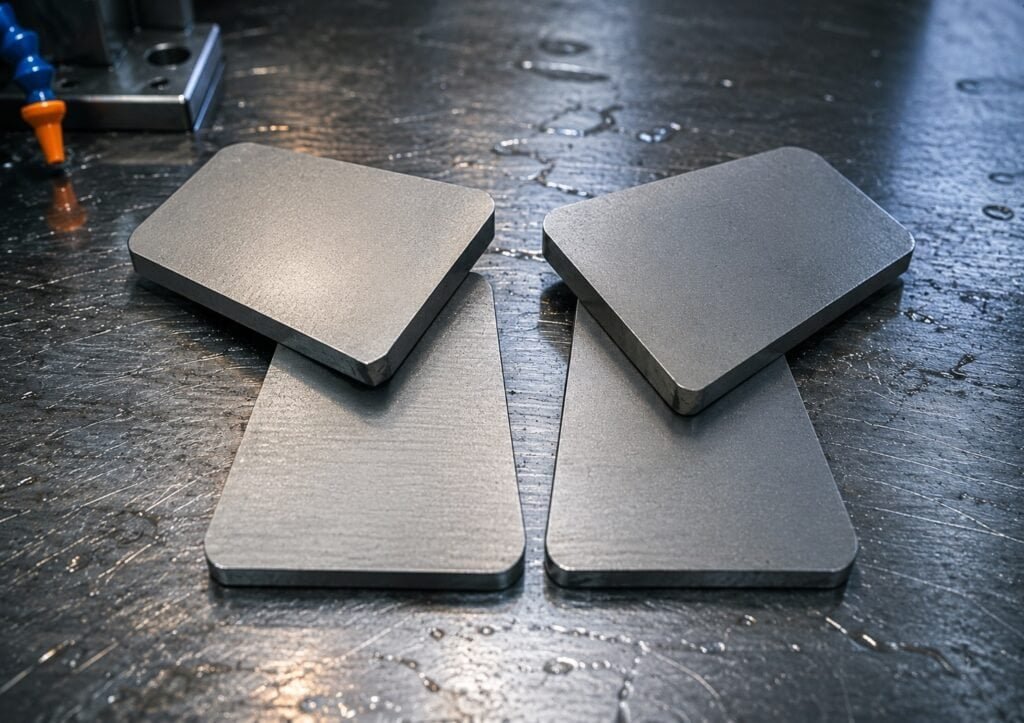
최종 응용 분야별 표면 품질 요구 사항
NdFeB 자석 연삭 및 연마 목표는 응용 분야에 따라 크게 다릅니다. 표면 품질을 과도하게 지정하면 사이클 시간이 낭비되고, 과소 지정하면 다운스트림에서 조립 문제가 발생합니다.
| 애플리케이션 | Ra 목표 | TTV 목표 | 평행도 |
|---|---|---|---|
| EV 트랙션 모터 자석 | 8 μm 이하 | 5 μm 이하 | 10 μm 이하 |
| 서보 모터 자석 | 4 μm 이하 | 3 μm 이하 | 5 μm 이하 |
| 고성능 풍력 터빈 발전기 자석 | 0 μm 이하 | 8 μm 이하 | 15 μm 이하 |
| 정밀 센서 자석 | 2 μm 이하 | 2 μm 이하 | 3 μm 이하 |
| 스피커 자석 | 5 μm 이하 | 10 μm 이하 | 20 μm 이하 |
| 의료 / MRI 자석 | 1 μm 이하 | 1 μm 이하 | 2 μm 이하 |
대부분의 모터 자석 생산에서 지배적인 사양은 Ra가 아니라 TTV입니다. Ra를 충족하지만 TTV가 8μm인 자석은 라미네이트 어셈블리에서 불균일한 스택 높이를 생성하여 모터 효율을 감소시키고 진동을 유발하는 에어 갭 변화를 일으킵니다.
NdFeB 자석 연삭 및 연마: 양면 래핑 장비
양면 래핑은 NdFeB 자석 연삭 및 연마의 핵심 장비입니다. 공작물은 반대 방향으로 회전하는 두 개의 수평 래핑 플레이트 사이의 캐리어 플레이트에 로드되며, 연마 슬러리가 플레이트와 공작물 사이에 흐릅니다. 양면이 동시에 래핑되어 단면 연삭으로는 달성할 수 없는 일치된 평행도를 생성합니다.
세 가지 기계 크기가 R&D에서 대량 생산까지의 생산 범위를 다룹니다.
13B-6LY/P — R&D 및 소량 생산
- 연마판 직경: Φ210 mm
- 최적: 재료 검증 실행, 프로토타입 자석 평가, 소량 특수 생산
- TTV 달성 가능: ≤ 2 μm (보정된 슬러리 사용 시)
그만큼 13B 연마기 NdFeB 연마를 위한 보급형 기계입니다. 컴팩트한 설치 공간으로 전용 마감 구역 없이 기존 작업 공간에 설치할 수 있습니다.
16B-5LY/P — 중량 생산
- 연마판 직경: Φ390 mm
- 최적: 중량 모터 자석 생산 라인
- TTV 달성 가능: 5 μm 이하
그만큼 16B-5LY-P 연마기 중량 NdFeB 생산에 가장 일반적인 구성입니다. 5개의 캐리어 플레이트 설계로 병렬성 제어를 희생하지 않고 더 큰 배치 처리가 가능합니다. 서보 구동 압력 제어는 캐리어 플레이트가 궤도를 돌 때 일관된 연마력을 유지합니다.
22BF-5LY/P — 대량 생산
- 연마판 직경: Φ480 mm
- 최적: 대량 EV 모터 자석 생산
- TTV 달성 가능: 1 μm 이하
그만큼 양면 연마 22BF 연마 및 미세 연마 모드 모두 처리 — 슬러리 구성이 출력 표면 상태를 결정합니다. 미세 연마 표면이 필요한 응용 분야의 경우 동일한 기계에서 연마 연마재를 연마 화합물로 전환하면 전송 단계가 제거됩니다.
연삭 및 연마 공정 조합
모든 NdFeB 응용 분야에 완전한 연삭-연마-연마 시퀀스가 필요한 것은 아닙니다. 공정 조합은 절단에서 시작되는 표면 품질과 필요한 최종 사양에 따라 달라집니다.
조합 A — 연삭 + 연마 (가장 일반적):
EV 모터 자석, 서보 자석 및 대부분의 산업 응용 분야에 사용됩니다. 거친 연삭은 절단 손상을 제거하고 연마는 최종 병렬성을 달성합니다. 일반적인 재료 제거량: 면당 총 80–200 μm. Ra 0.3–0.8 μm 및 TTV ≤ 3 μm 달성.
조합 B — 연마만 (고품질 절단 입력):
와이어 톱 절단이 일관된 케르프 폭으로 Ra < 0.8 μm를 생성하는 경우 거친 연삭 없이 직접 연마가 가능합니다. 조합 A에 비해 사이클 시간을 절약하지만 절단 단계에서 엄격한 공정 제어가 필요합니다.
조합 C — 연삭 + 연마 + 폴리싱:
센서 자석, 의료 응용 분야 및 고주파 서보 모터에 필요합니다. 폴리싱 단계는 폴리싱 패드에 0.5–1.0 μm 다이아몬드 또는 알루미나 슬러리를 사용합니다. Ra < 0.1 μm 달성.
모터 로터에 사용되는 아크 세그먼트 자석의 경우 시퀀스에는 평면 연마 후 추가 아크 연삭 단계가 포함됩니다. Vimfun의 아크 자석 연삭기 VMG4-90 그리고 내외측 호 연삭기 필요한 내경 및 외경 치수 및 표면 마감으로 아크 자석의 곡면 처리.
±2 μm 공차 및 TTV ≤ 1 μm 달성
±2 μm 두께 공차 및 TTV ≤ 1 μm를 생산 배치 전체에서 일관되게 달성하려면 네 가지 변수를 제어해야 합니다.
캐리어 플레이트 평탄도. 연마 캐리어 플레이트는 ±0.5 μm 이내로 평탄해야 합니다. 마모되거나 변형된 캐리어는 생산에서 TTV 드리프트의 가장 일반적인 원인입니다. 500–1,000 사이클마다 캐리어를 검사하고 드레싱하십시오.
슬러리 농도 및 온도. 연마재 농도는 제거율 및 표면 마감에 영향을 미칩니다. 온도 변화는 슬러리 점도 및 제거율을 변경합니다. 일관된 배치 간 결과를 위해 폐쇄 루프 온도 제어로 슬러리를 20–25°C로 유지하십시오.
연마 압력. Vimfun 연마기는 고정 중량이 아닌 서보 제어 압력을 사용합니다. 이를 통해 압력 프로파일링이 가능합니다. 즉, 빠른 재료 제거를 위해 사이클 시작 시 더 높은 압력, 표면 품질을 위해 끝에서 더 낮은 압력을 사용합니다. 일반적인 압력: 자석 크기 및 슬러리에 따라 0.5–2.0 N/cm².
컨디셔닝 링. 연마판의 내부 및 외부 가장자리에서 작동하는 컨디셔닝 링은 생산 중에 플레이트 평탄도를 유지합니다. 컨디셔닝이 없으면 연마판은 작업물에 전달되는 볼록 또는 오목 프로파일을 개발합니다. 당사의 양면 연마기 컨디셔닝 링 사양 개요를 참조하십시오.
NdFeB 자석 연삭 및 연마 후 코팅 호환성
NdFeB 자석은 조립 전에 보호 코팅이 필요합니다. — 베어 NdFeB는 습한 환경에서 빠르게 부식됩니다. 연마 후 표면 상태는 코팅 품질 및 접착력에 영향을 미칩니다.
Ni/Cu/Ni (삼중 니켈): 가장 일반적인 코팅입니다. Ra ≤ 0.8 μm 및 임베디드 연마재가 없는 깨끗한 표면이 필요합니다. 무전해 또는 전해 도금, 총 두께 15–25 μm.
아연 코팅: Ni보다 저렴하며 덜 까다로운 응용 분야에 사용됩니다. Ra 최대 1.2 μm까지 허용합니다. 염수 분무 저항 48–96시간.
에폭시 코팅: 스프레이 또는 딥으로 도포, 15–30 μm. 균일한 커버리지를 위해 가장 매끄러운 기판 — Ra ≤ 0.5 μm — 이 필요합니다. 금속 코팅이 박리될 수 있는 고온 모터 응용 분야에 선호됩니다.
인산염 + 에폭시: 복잡한 형상의 자석에 사용되는 2단계 공정입니다. 인산염 변환층은 접착 베이스를 제공합니다. 에폭시 상부 코팅은 내식성을 제공합니다.
연마 슬러리 표면 오염은 코팅 접착 실패의 가장 일반적인 원인입니다. 연마 후 초음파 세척, DI수 헹굼 및 코팅 전 건조를 철저히 하면 이 실패 모드를 제거할 수 있습니다.
Vimfun NdFeB 연마 및 연삭 장비 라인업
| 기계 | 유형 | 작업 영역 | 최적 용도 |
|---|---|---|---|
| 13B-6LY/P | 양면 래핑기 | Φ210 mm | 연구 개발, 소량 생산 |
| 16B-5LY/P | 양면 래핑기 | Φ390 mm | 중간 규모 생산 |
| 22BF-5LY/P | 양면 래핑기 + 폴리셔 | Φ480 mm | 대량 생산 |
| VMG4-90 | 아크 자석 연삭기 | 90° 아크 범위 | 모터 아크 세그먼트 |
| 내부/외부 아크 연삭기 | 아크 자석 연삭기 | 맞춤형 아크 반경 | 복잡한 아크 형상 |
귀하의 NdFeB 재료에 대한 사양, 가격 및 샘플 래핑 시험은 다음을 통해 당사 엔지니어링 팀에 문의하십시오. 자성 재료 솔루션 페이지.
에 따르면 Arnold Magnetic Technologies NdFeB 가공 가이드, 래핑 후 표면 마감은 정밀 모터 스택의 조립 수율과 직접적으로 관련됩니다. TTV ≤ 2 μm를 일관되게 달성하는 작업은 단면 연삭에만 의존하는 작업에 비해 조립 불량률이 8–12% 낮다고 보고합니다. Magnetics Business & Technology 저널 서보 모터 및 센서 자석 응용 분야 전반에 걸쳐 유사한 결과를 문서화합니다.