Avez-vous déjà vu un aimant se briser net sur la ligne de rectification ? Je suis dans le commerce des machines de rectification d'aimants permanents et de rectification d'arcs d'aimants depuis plus de 7 ans, et je sais à quelle vitesse la chaleur peut endommager un lot.
Dans cet article, je vais vous expliquer pourquoi le liquide de refroidissement est important. Vous en apprendrez davantage sur la chaleur, le débit, le rinçage et l'entretien quotidien – le tout par étapes faciles.
Qu'est-ce qu'une machine de rectification d'arcs d'aimants et pourquoi la chaleur s'accumule-t-elle ?
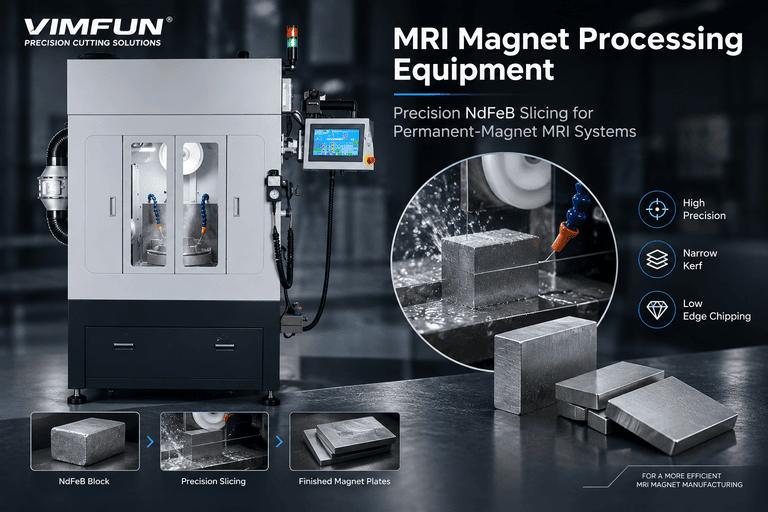
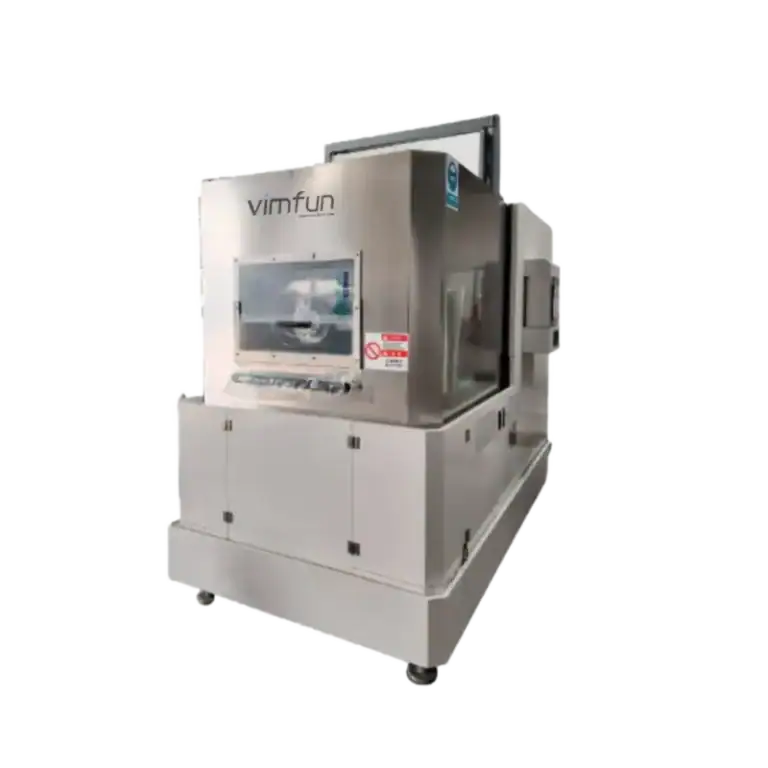
A machine de rectification d'arcs d'aimants est utilisée pour façonner les aimants permanents en arcs pour les moteurs, les capteurs et les générateurs. La meule tourne rapidement contre la surface de l'aimant dur. Cela génère des frictions. La friction crée de la chaleur – rapidement.
Trop de chaleur brisera l'aimant, ou diminuera sa puissance. Cette difficulté est commune à la machine de rectification d'arcs internes, à la machine de rectification d'arcs externes et à la machine de rectification d'aimants en carreaux. La chaleur est le pire ennemi de la rectification précise des aimants. La solution est le liquide de refroidissement.
Effets de la chaleur sur les pièces de la machine de rectification d'arcs d'aimants
| Composant | Effet de la surchauffe | Niveau de dommage | Méthode de prévention |
| Surface de l'aimant | Fissuration, perte de magnétisme | Haut | Flux constant de liquide de refroidissement |
| Meule | Vitrage, s'use rapidement | Moyen-Élevé | Rincer le liquide de refroidissement souvent |
| Broche de la machine | Se dilate, perd son alignement | Moyen | Maintenir la température du liquide de refroidissement stable |
| Fixation de la pièce | Se déforme, perd sa prise | Moyen | Refroidir la zone de contact |
| Réservoir de liquide de refroidissement | Boue et bactéries se développent | Faible-Moyen | Changer le liquide de refroidissement régulièrement |
Le sens d'écoulement du liquide de refroidissement affecte-t-il vraiment la qualité de votre rectification ?
Oui, et cela est négligé par de nombreux opérateurs ! Le flux de liquide de refroidissement ne consiste pas seulement à rapprocher l'eau de la meule. La direction, la pression et le volume comptent. Si le liquide de refroidissement goutte au mauvais endroit, la chaleur s'accumule toujours.
Pour équipement de rectification d'aimants permanents, appliquez le liquide de refroidissement directement au point de contact. Cela refroidit la région et nettoie les débris. Deux zones de rectification sur une machine de rectification traversante à deux stations doivent avoir un débit suffisant.
Types de systèmes de flux de liquide de refroidissement
Liquide de refroidissement par inondation
Le liquide de refroidissement par inondation applique une grande quantité de liquide à la région de rectification. C'est l'approche la plus souvent utilisée dans les machines de fabrication d'aimants. Il refroidit rapidement et élimine efficacement les éclats. Mais il a un réservoir plus grand et nécessite plus de liquide de refroidissement.
- Fonctionne parfaitement pour les grandes machines de rectification d'aimants en carreaux de production
- Réduit le chargement de la meule sur les longs passages
- Facile à installer sur la plupart des rectifieuses d'arcs internes
- Pas idéal pour les travaux de finition très délicats
Liquide de refroidissement par brouillard
Le liquide de refroidissement par brouillard pulvérise une fine brume avec de l'air. Il utilise beaucoup moins de liquide. Il maintient la zone de travail propre et dégagée. Bon pour les rectifieuses d'arcs externes lors de passages légers.
- 70-80 % de liquide de refroidissement en moins utilisé que les systèmes par inondation
- Garde la vue de l'opérateur dégagée
- Convient à la rectification de précision d'aimants de petites pièces d'arc
- Doit avoir un compresseur d'air pour fonctionner
Comparaison des types de flux de liquide de refroidissement
| Fonctionnalité | Liquide de refroidissement par inondation | Liquide de refroidissement par brouillard | Volume de débit |
| Puissance de refroidissement | Haut | Faible | Moyen |
| Moyen | Bon | Juste | Excellent |
| Élimination des copeaux | Bon | Pauvre | Excellent |
| Meilleure utilisation | Production de masse | Finition légère | Rectification d'aimant dur |
| Coût | Faible | Faible-Moyen | Moyen-Élevé |
Que se passe-t-il lorsque vous sautez le rinçage du liquide de refroidissement sur votre équipement de rectification ?
Sauter les rinçages peut rapidement ruiner votre équipement de rectification à aimants permanents. Le liquide de refroidissement usagé entraîne de la poussière, des morceaux de meule et des particules ; Ils forment une pâte épaisse. Le boue a obstrué les buses. Ensuite, le liquide de refroidissement n'atteint plus la zone de rectification. La chaleur monte.
La surface de l'aimant est rayée. Sur une rectifieuse de passage à deux stations, si une station obstruée gâche tout le lot. Un rinçage régulier maintient le système propre et préserve la pompe, les filtres et la meule.
Méthodes de rinçage côte à côte
Vidange et remplissage manuels
L'opérateur nettoie et vide manuellement le réservoir. Puis il le remplit avec du liquide de refroidissement neuf. C'est simple et peu coûteux, mais cela prend du temps.
- Convient aux rectifieuses d'aimants d'arc minuscules à faible puissance
- Faible coût de production
- Répéter toutes les 1 à 2 semaines selon la densité de votre file d'attente.
- Pendant le nettoyage, la machine doit être arrêtée
Système de rinçage automatique
De nombreuses machines modernes de fabrication d'aimants sont équipées de systèmes de rinçage automatique. La machine nettoie le réservoir selon un calendrier. Pas besoin d'arrêter.
- Gain de main-d'œuvre
- Maintient la qualité du liquide de refroidissement constante tout au long du quart de travail
- Plus cher initialement, moins cher au fil du temps
- Rinçage manuel vs automatique
Rinçage manuel
| Fonctionnalité | Rinçage automatique | Coût d'installation |
| Plus élevé à l'avance | Faible | Temps d'arrêt de production |
| Cohérence de la qualité | Oui | Non |
| Dépend de l'opérateur | Toujours cohérent | Avantages d'un rinçage régulier du liquide de refroidissement : |
| Idéal pour | Petits ateliers | Usines à haut volume |
Empêche le réservoir de s'encrasser
- Prolonge la durée de vie des meules
- Assure des surfaces magnétiques lisses et propres
- Réduit les temps d'arrêt et les réparations de la machine.
- Protection de la pompe de liquide de refroidissement endommagée.
- Que se passe-t-il si vous sautez le rinçage :
Buses obstruées – pas de liquide de refroidissement dans la zone de rectification
- Le pneu s'encrasse plus rapidement
- Surface de l'aimant rayée par des particules flottantes
- Des bactéries se développent dans le liquide de refroidissement – odeur désagréable, risque de rouille
- La durée de vie de la machine à temps est considérablement plus courte
- Un bon système de liquide de refroidissement peut-il réellement sauver une ligne de production ?
Et des usines réelles l'ont vérifié. De nombreuses installations utilisant des machines de rectification de précision pour aimants d'arc perdaient 10 à 20 % de leurs lots. Les fissures et les défauts de surface en étaient les principales raisons. Après avoir ajusté le débit du liquide de refroidissement et ajouté des cycles de rinçage, les taux de rebut étaient inférieurs à 2 %.
Le bon système de refroidissement sauvera vos aimants. Il préserve également votre marge bénéficiaire. Ces cas montrent ce qui est possible avec une rectifieuse d'arc interne, une rectifieuse d'arc externe ou une ligne complète de machines de fabrication d'aimants. Études de cas réelles en usine Correction du liquide de refroidissement utilisée.
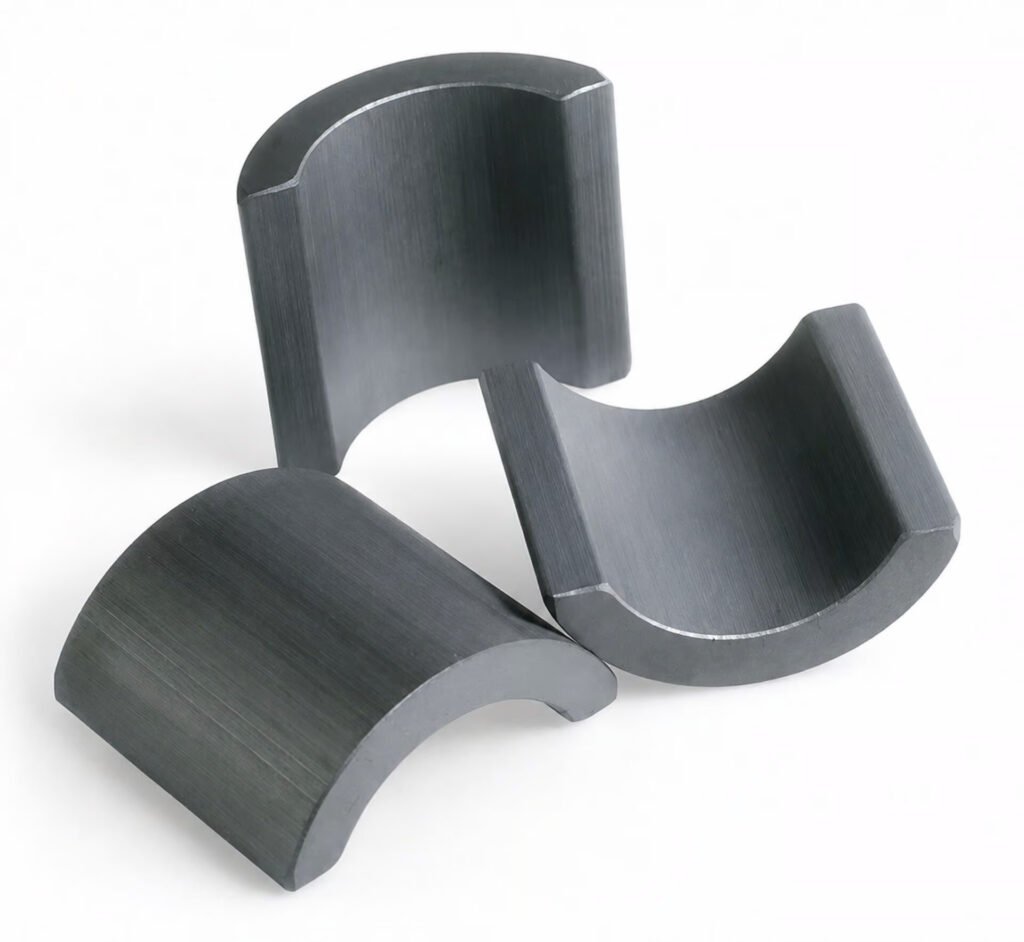
Le système de refroidissement adéquat protégera vos aimants. Il préserve également votre marge bénéficiaire. Ces cas démontrent ce qui est possible avec une rectifieuse d'arc interne, une rectifieuse d'arc externe ou une ligne complète de machines de fabrication d'aimants.
Études de cas réelles en usine
| Usine | Type de machine | Problem Found | Solution de refroidissement utilisée | Résultat |
| Usine d'aimants de moteur (Chine) | Passage à deux postes | Taux de fissures 15% | Refroidissement par brouillard à haute pression | Les fissures sont tombées à 1,5% |
| Atelier d'aimants de capteur (Allemagne) | Rectifieuse d'arc interne | La meule s'est usée rapidement | Refroidissement par brouillard + cycle de rinçage | La durée de vie de la meule a doublé |
| Usine de pièces de générateur (Inde) | Rectifieuse d'aimants en tuile | Défauts de rayures de surface | Direction de la buse modifiée | Défauts réduits de 80% |
| Fournisseur de moteurs électriques (États-Unis) | Rectifieuse d'arc externe | Accumulation de boues de liquide de refroidissement | Système de rinçage automatique ajouté | Zéro temps d'arrêt pendant 6 mois |
Principales leçons tirées de ces usines :
- La direction du liquide de refroidissement est aussi importante que le volume du liquide de refroidissement
- L'usure rapide de la meule est souvent un problème de liquide de refroidissement, pas de meule
- Les systèmes de rinçage automatique se rentabilisent rapidement dans les usines très fréquentées
- Les problèmes majeurs de défauts de surface peuvent être résolus par de petites modifications de la buse
Quel type de liquide de refroidissement choisir ?
Tous les liquides de refroidissement ne sont pas égaux pour les matériaux magnétiques. Voici un guide de base :
- Liquides de refroidissement solubles dans l'eau – idéaux pour les rectifieuses d'aimants à arc, qui enlèvent de grandes quantités de matière
- Liquides de refroidissement synthétiques – parfaits pour la rectification de précision des aimants lorsque la douceur de la surface est essentielle
- Une excellente alternative intermédiaire pour les rectifieuses d'aimants à carreaux dans la fabrication mixte sont les liquides de refroidissement semi-synthétiques.
- Vérifiez toujours la concentration régulièrement – trop dilué = mauvais refroidissement, trop concentré = mousse
Effectuez-vous ces vérifications du liquide de refroidissement tous les jours sur votre rectifieuse ?
Vérifications quotidiennes pour maintenir votre rectifieuse d'aimants à arc en parfait état. La plupart des vérifications prennent moins de 10 minutes par poste. Elles sont rapides et simples à préparer. Si vous les sautez, vous obtiendrez des buses bouchées, des dommages dus à la chaleur et une courte durée de vie de la machine.
De petits problèmes se développent rapidement lorsque vous négligez le liquide de refroidissement. Quelques mesures simples par jour vous éviteront des réparations majeures plus tard. Effectuez ces inspections tous les jours et votre ordinateur vous remerciera.
Liste de contrôle de maintenance quotidienne du liquide de refroidissement :
- Vérifier le niveau du liquide de refroidissement – S'il est en dessous de la ligne de niveau minimum, faites l'appoint
- Vérifier la concentration du liquide de refroidissement à l'aide d'un réfractomètre, réparer si hors plage
- Vérifier toutes les buses – nettoyer ou corriger toute buse bouchée ou mal alignée
- Vérifier la couleur et l'odeur du liquide de refroidissement – un liquide de refroidissement trouble ou nauséabond doit être changé
- Nettoyer le filtre à copeaux ou le convoyeur – éliminer les débris avant qu'ils n'atteignent le liquide de refroidissement
- Vérifier la pression de la pompe, une basse pression indique un filtre bouché ou une pompe usée
Guide rapide de concentration du liquide de refroidissement
| Type de liquide de refroidissement | Concentration correcte | Fréquence de vérification | Signe d'avertissement |
| Soluble dans l'eau | 5–8% | Quotidien | Mousse ou odeur de brûlé |
| Synthétique | 4–6% | Tous les 2 jours | Changement de couleur |
| Semi-synthétique | 6–10% | Quotidien | Boues au fond du réservoir |
FAQ sur le liquide de refroidissement pour rectifieuse d'aimants à arc
Pourquoi ma rectifieuse d'arc magnétique surchauffe-t-elle avec le liquide de refroidissement activé ?
Le liquide de refroidissement n'atteint probablement pas la zone de rectification. La buse peut être mal orientée. Ou le liquide de refroidissement est trop dilué pour refroidir. Tout d'abord, réglez l'orientation de la buse. Ensuite, vérifiez votre mélange de liquide de refroidissement.
- Dirigez la buse vers le point de contact de la meule avec l'aimant
- Testez et ajustez la teneur en liquide de refroidissement à l'aide d'un réfractomètre
- Assurez-vous que la pompe produit une pression de débit suffisante
À quelle fréquence dois-je changer le liquide de refroidissement dans une rectifieuse magnétique de précision ?
La plupart du temps, changez-le toutes les 2 à 4 semaines. Les usines très actives peuvent nécessiter des ajustements réguliers. S'il sent mauvais ou semble sombre, débarrassez-vous-en immédiatement.
- Usines à haut rendement : Changez le liquide de refroidissement chaque semaine
- Ateliers à rendement moyen : toutes les deux semaines
- Petits ateliers : rotation de 3 à 4 semaines
- S'il sent mauvais ou a une mauvaise apparence, remplacez-le immédiatement, quel que soit le calendrier
Puis-je utiliser n'importe quel liquide de refroidissement dans une rectifieuse d'arc interne ou externe ?
Non. Certains liquides de refroidissement réagissent avec les matériaux magnétiques. Ils peuvent oxyder ou corroder la surface de l'aimant. Utilisez uniquement un liquide de refroidissement sans danger pour les aimants en céramique ou en terres rares. Consultez votre fournisseur de machines pour le type correct.
- Le travail de rectification d'arc magnétique ne doit pas être effectué avec de l'huile de coupe pure.
- Vérifiez que le liquide de refroidissement est compatible avec les matériaux magnétiques NdFeB ou ferrite
- Le liquide de refroidissement est recommandé par Vimfun et d'autres marques pour leurs machines
Quel est le bon débit de liquide de refroidissement pour une rectifieuse de passage à deux stations ?
La plupart des rectifieuses de passage à deux stations nécessitent 15 à 30 l/min à chaque station. Consultez le manuel de votre machine pour le nombre spécifique. Vérifiez la livraison réelle avec un débitmètre.
- Vérifiez le débit réel à chaque station à l'aide d'un débitmètre.
- Ajustez la vitesse de la pompe pour obtenir le débit requis
- Débit égal aux deux stations – vérifiez chaque station
- Un faible débit à une seule station entraîne une rectification de lot incohérente
Le type de matériau de l'aimant affecte-t-il le liquide de refroidissement que je devrais utiliser ?
Oui. Les aimants NdFeB (néodyme) peuvent rouiller. Utilisez un liquide de refroidissement avec un bon inhibiteur de corrosion. Les aimants en ferrite sont plus robustes mais les marquages de surface nécessitent un liquide de refroidissement propre.
- Aimants NdFeB : choisissez un liquide de refroidissement avec un inhibiteur de corrosion élevé
- Aimants en ferrite Les liquides de refroidissement hydrosolubles courants font un bon travail
- Aimants SmCo : consultez votre fournisseur. Ils chauffent extrêmement et nécessitent des soins particuliers.
- Testez toujours un nouveau liquide de refroidissement avant de changer toute la chaîne de production
Conclusion
La qualité de l'aimant commence souvent par la qualité de l'entretien du liquide de refroidissement, et non par une nouvelle machine. La chaleur, le faible débit et le liquide de refroidissement sale sont trois problèmes majeurs. Tous les trois peuvent être facilement corrigés.
La clé est le liquide de refroidissement, que vous utilisiez une rectifieuse d'arc interne, une rectifieuse d'arc externe ou un équipement de rectification d'aimant permanent.
Optez pour Vimfun pour les machines dotées de grands systèmes de refroidissement intégrés. Vimfun fabrique des rectifieuses d'arc magnétique fiables avec un support complet de liquide de refroidissement. Découvrez Vimfun dès aujourd'hui.