Can a single little piece truly damage a whole batch of wafers? Yes, it’s possible. I have observed it with more than 6 years of experience in the field of semiconductor slicing machines. That section is the chunk.
In this article, I will go over what a chuck is, how each kind works, which one to use and how to prevent frequent pitfalls.
What Is a Chuck in a Semiconductor Slicing Machine?
A chuck keeps the wafer in place as it is being sliced. In a semiconductor slicing machine, the wafer must not be damaged, moved or dirtied. It may be used with instruments such as a diamond wire slicing machine or a CNC diamond wire saw to achieve accurate, clean cuts.
Faulty chucks break wafers or result in uneven thickness. There are three varieties of hoover. Flat and grip. Each one fits a different wafer. Choosing the proper one saves time and money. A Semiconductor Slicing Machine cuts wafers with high precision.
Chuck Type Comparison in Precision Wafer Slicing Machines
| Chuck Feature | Vacuum Chuck | Flat Chuck | Grip Chuck |
| Holding Method | Air suction | Flat surface | Mechanical arms |
| Best For | Thin wafers | Standard silicon | Hard materials |
| Damage Risk | Low | Medium | Medium-High |
| Typical Use | Ultra-thin wafer slicing | Silicon wafer slicing | Sapphire and hard materials |
| Cleaning Need | High | Low | Medium |
| Cost | High | Low | Medium |
How Does a Vacuum Chuck Hold a Wafer So Precisely?
How can a vacuum chuck retain a wafer without clamps coming in contact with it? It exploits suction of air. The wafer is lying on a flat surface. The pump sucks air from underneath it. Pulls the wafer down and keeps it tight. No clamping utilised.
The edges are not folded under. Which is why it is good for ultra thin wafer slicing machines. Thin wafers break easily. The suction is mild. It keeps the wafer flat and still. It won’t break or flex the wafer. The right chuck makes a semiconductor slicing machine work better.
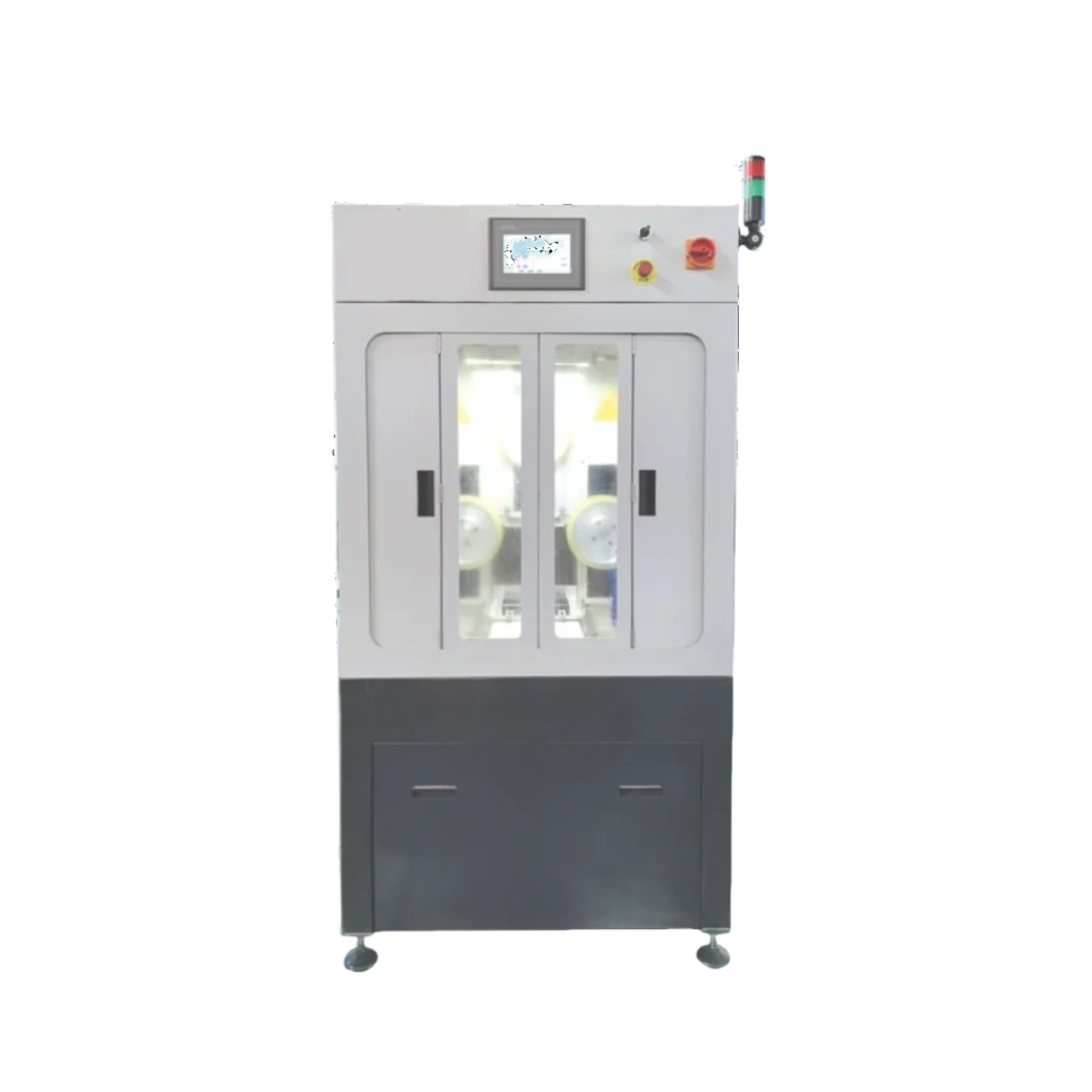
How a Vacuum Chuck Works – Step by Step
- A vacuum pump sucks air from under the wafer
- The wafer is pressed against the surface of the chuck
- The cutting tool travels across the wafer
- The wafer remains stationary throughout
- The vacuum ceases after the incision and the wafer pulls off safely.
Vacuum Chuck Specs for Semiconductor Cutting Machines
| Specification | Value |
| Vacuum Pressure Range | 0.04 – 0.08 MPa |
| Wafer Thickness Range | 0.05 mm – 1.5 mm |
| Surface Flatness | ± 1 µm |
| Chuck Material | Porous ceramic or aluminum |
Benefits of Using a Vacuum Chuck
- No stress on the clean and safe surface of the wafer
- Works excellent for thin wafers using Silicon Wafer Slicing Equipment
- Releases wafer quickly after cut
- Compatible with round and square wafer shapes
- Handles well with automated systems
Common Issue: Vacuum Leaks Cause Wafer Shifts
If the vacuum line leaks, the wafer moves when you make the cut. This screws up the cut. Always inspect seals before each batch. use a vacuum gauge Maintain a constant pressure.
Is a Flat Chuck or a Grip Chuck Better for Hard Materials?
Are flat chucks robust enough for hard materials? Or even a grip chuck? For Sapphire Wafer Cutting Machines, Hard Brittle Material Cutting Machines, and Sapphire Wafer Cutting Machines, Chucks are superior. Flat chucks have a sticky coat.
Simple, yet they may slide away with great power. Grip chucks grasp on the side with little arms. They are tough on hard materials. But too much pressure chips the edge. Know the difference before you decide. Choose the best chuck for your semiconductor slicing machine setup.
Flat Chuck vs. Grip Chuck: When to Use Each
Flat Chuck Is Best For:
- Standard silicon wafers
- Slow, low-force jobs eliminated
- Even Wafers Thickness
- Large batch production lines
Grip Chuck Is Best For:
- SiC, Sapphire and hard brittle materials
- High-Force Diamond Wire Slicing Machines Jobs
- Odd shaped wafer substrates
- High precision cutting, small batch size
Comparison: Flat Chuck vs. Grip Chuck
| Feature | Flat Chuck | Grip Chuck |
| Holding Force | Medium | High |
| Edge Damage Risk | Low | Medium |
| Setup Time | Fast | Slower |
| Best Material | Silicon | Sapphire, SiC |
Grip chucks are good for hard materials such as sapphire. Grip chucks require carefully adjusted pressure. Too much grip will break the edge. Put the correct chuck on the appropriate task. A good semiconductor slicing machine delivers clean cuts every time.
Advantages and Disadvantages
Flat Chuck
- Easy to set up
- Low cost
- No edge damage risk
- Can slip under heavy cutting force
- Needs adhesive or wax to hold the wafer
Grip Chuck
- Strong hold for hard materials
- No adhesive needed
- Better for high-force cuts
- Can cause edge micro-cracks
- Takes more time to align
What are real examples of chuck use in wafer slicing industries?
What genuine industries employ these chunks? And what are the outcomes they get? A semiconductor slicing machine is used every day in several fields. Everyone selects a piece that suits their material and their purpose. Solar cell companies want thin, crack-free wafers.
LED producers need clean sapphire cutting. There’s a minimum thickness for chip factories. Research labs need flexibility. And the appropriate amount may save waste and increase outcomes fast, real examples show.
Chuck Type Use by Industry Sector
| Industry | Machine Used | Chuck Type | Result |
| Solar Cell Production | Silicon Wafer Slicing Equipment | Vacuum Chuck | 98% yield, no micro-cracks |
| LED Manufacturing | Sapphire Wafer Cutting Machine | Grip Chuck | Clean edges on 4-inch wafers |
| Chip Fabrication | Precision Wafer Slicing Machine | Vacuum Chuck | ±1µm thickness met every time |
| SiC Power Devices | Hard Brittle Material Cutting Machine | Grip Chuck | 35% less wafer breakage |
Case Study 1: Solar Wafer Slicing with Vacuum Chuck
A solar business has converted to vacuum chucks on its CNC Diamond Wire Saw line. Wafer breakage was lower by 15%. Daily productivity increased 20%. Each wafer was held flat and steady by the vacuum. The grip was tight, even at wire speed.
Case Study 2: Sapphire Wafer Cutting with Grip Chuck
A LED provider was using grip chucks on their Sapphire Wafer Cutting Machine. They changed the grip pressure to 0.3 N/mm2. No more edge chipping. Yield went raised from 82% to 94% in just 3 months.
Case Study 3: Ultra-Thin Silicon for Chip Packaging
A chip packing business used an Ultra Thin Wafer Slicing Machine equipped with vacuum chucks. They sliced wafers as thin as 50 µm. Warping was created by flat chucks. Vacuum chucks solved that. The issue was completely fixed.
What Should You Check Before Choosing a Chuck?
There is more to choosing a chuck than simply the material. Your machine type, wafer size, cutting speed and budget are important too. A bad decision means damaged wafers and lost time. Do it correctly the first time. Here is a basic checklist to help you make a quick decision.
- Wafer under 0.1 mm thick? → Use a vacuum chuck
- Cutting sapphire or SiC? → Use a grip chuck
- High-speed production? → Vacuum chuck holds best
- Low budget? → Flat chuck is the cheapest option
- Fully automated line? → Vacuum chuck integrates better
- Need clean surfaces? → Vacuum chuck requires a very clean chuck face
Always run some test wafers first. Small adjustments in alignment or pressure may have a large effect. Test before running a whole batch.
Frequently Asked Questions
What chuck type is best for ultra-thin wafer slicing?
The best thing to use is a hoover chuck. It gently retains the wafer with suction, and no side pressure is applied. This avoids fractures, bending and surface damage to thin wafers.
- For wafers as thin as 0.05 mm
- No pressure, no micro-cracks
- For Applications in Ultra Thin Wafer Slicing Machine
Can I use a vacuum chuck for sapphire wafer cutting?
You can, although sapphire is preferable with grip chucks. Sapphire is hard, hefty. It requires a good holding force. Heavy cutting may generate forces that cause vacuum chucks to slip.
- Grip chucks have higher holding power
- Vacuum chucks may slide under high cutting loads
- Test before you decide on sapphire
What causes a chuck to fail during wafer slicing?
Most chuck failures are because to hoover leaks, filthy surfaces or wrong pressure settings. All of these are straightforward fixes. Regular inspections before each shift avoid most issues.
- Check hoover seals before to each shift
- Every day clean the surface of the chuck
- When cutting, watch the hoover gauge
Is a flat chuck safe for a CNC diamond wire saw machine?
Yeah. For normal silicon on a CNC diamond wire saw, flat chucks work nicely. They are simple, inexpensive, and ideal for medium-speed cutting applications.
- Good for thick standard-weight wafers
- Not for very thin or extremely hard materials
- Use wax or adhesive to get a stronger grip
How do I clean a vacuum chuck properly?
Clean the chuck with dry compressed air and a lint-free cloth. Avoid liquids that may clog the vacuum holes or harm the porous chuck surface.
- Daily blow out hoover holes with dry air
- Wipe the surface with a cloth and IPA
- Check for scratches that reduce the seal
Can I use one chuck for both silicon and hard materials?
No. Separate chucks for silicon and hard materials. Wrong chuck leads to more wafer breakage, poor cut quality, and increased material loss. Always choose the chuck appropriate for the material.
- Silicon –> hoover or flat chuck
- Sapphire or SiC → grip chuck
- Always match the chuck to the material
Conclusion
The correct chuck enhances your yield, productivity, and cut quality. For thin wafers, use a vacuum chuck, for basic silicon operations, a flat chuck; and for hard materials such as sapphire, a grip chuck. They’re all about a serious situation. If you are looking for a reputable semiconductor slicing machine, then go for Vimfun.
They provide diamond wire slicing machines, precision wafer slicing machines, silicon wafer slicing equipment, and technical assistance to help you choose the correct chuck for your precise application. Go to Vimfun now.