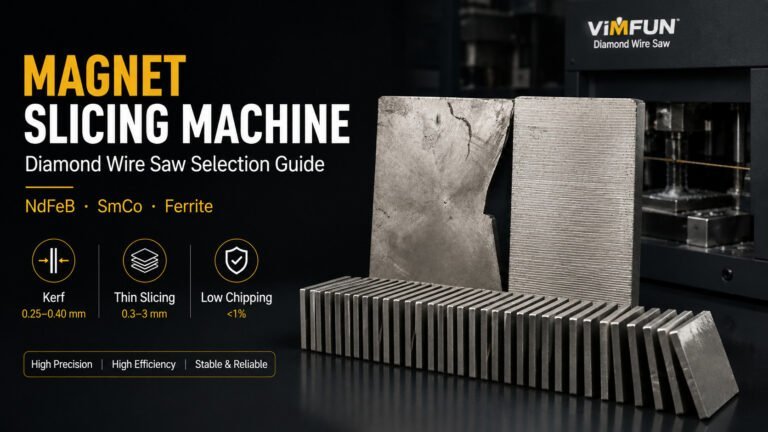
なぜウェーハは切断中に割れるのですか?私はウェーハ切断ワイヤーソー業界で15年以上の経験があり、不適切なクーラントがバッチ全体を損傷する可能性があることを目の当たりにしてきました。.
この記事では、使用するクーラント、DI水と切削液がなぜ重要なのか、そしてpH制御がどのようにオペレーションを安全かつクリーンにするのかを探ります。.
ウェーハ切断ワイヤーソーとは何ですか?そしてどのように機能しますか?
A ウェーハ切断ワイヤーソー は一種の切断機です。シリコン、SiC、サファイアなどの硬い材料を薄いウェーハに切断します。薄いダイヤモンドコーティングワイヤーを使用します。ワイヤーは生地を素早くジッパーのように横切ります。ワイヤーをトラックに保つためのグルーブホイール。これは、カーフロス(材料の損失が非常に少ない)を最小限に抑えることを意味します。.
シリコンウェーハをスライスするには、スピードと精度が必要です。切断ゾーンにクーラントがスプレーされます。ワイヤーを冷却し、切りくずを取り除きます。冷却なしでは、ワイヤーとウェーハが過熱する可能性があります。これはひび割れや損傷につながります。.
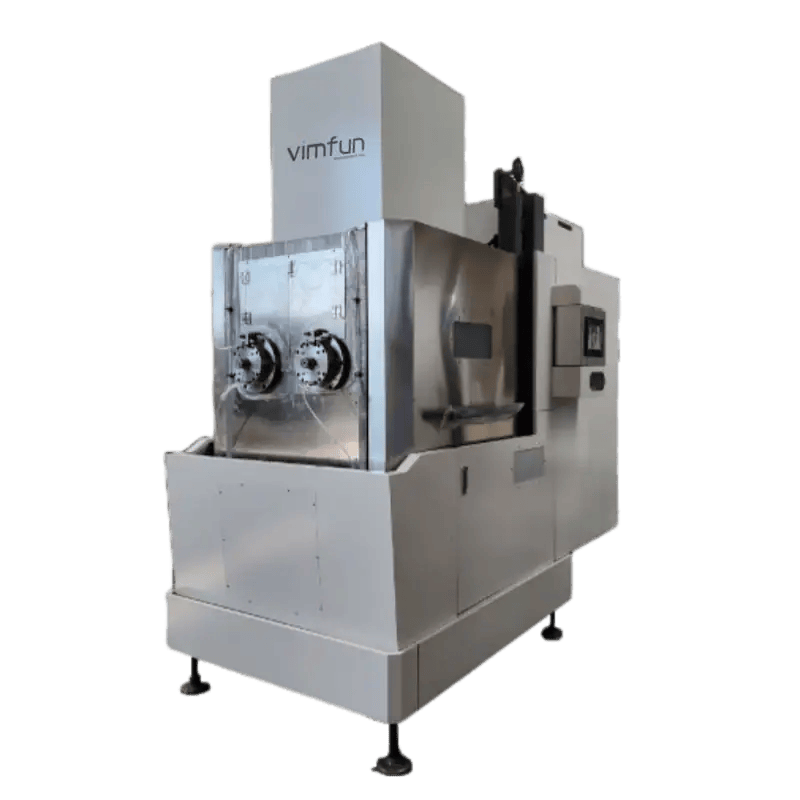
技術概要:ウェーハ切断ワイヤーソーの主要パラメータ
| パラメータ | 詳細 |
| ワイヤータイプ | ダイヤモンドコーティング鋼線 |
| ワイヤースピード | 10–30 m/s |
| クーラントタイプ | DI水 / 切削液 |
| 切断材料 | シリコン、SiC、サファイア |
| ケルフィロス | 100–200 µm |
| 表面仕上げ | Ra < 1 µm |
| グルーブホイールの役割 | ワイヤー張力と経路制御 |
高速マルチワイヤーソーマシンにおいて、クーラントの選択が重要なのはなぜですか?
不適切なクーラントの使用は、重大な問題を引き起こします。ワイヤーが切断される可能性があります。ウェーハ表面を損傷する可能性があります。歩留まりが低下する可能性があります。 高速マルチワイヤーソーマシン クーラントは冷却以上の役割を果たします。破片を洗い流します。抵抗を減らします。クーラントが過度に酸性またはアルカリ性の場合、ワイヤーを腐食させます。.
ウェーハの裏側からウェーハを破損させる可能性もあります。そのため、クーラントの種類とpHを調整する必要があります。これは、すべての精密ワイヤーソー切断システムにとって必須です。高精度ウェーハスライシングと機械寿命の延長の秘訣です。.
DIウォーターとは何ですか?また、なぜ使用されるのですか?
DIウォーターは脱イオン水の略です。ミネラル含有量が非常に少ないです。ほとんどのウェーハスライシングワイヤーソーシステムで主要なクーラントです。ワイヤーやウェーハに堆積しません。.
- DIウォーターは導電率が非常に低いです。ウェーハ表面を保護します。.
- 切断エリアを清掃します。汚染なし。.
- クローズドループシステムで簡単にろ過して再利用できます。.
- 切削液添加剤と互換性があります。.
ワイヤーソー冷却におけるDIウォーターの特性
| 特性 | 値 / 説明 |
| 導電率 | < 1 µS/cm |
| pH範囲 | 6.5 – 7.5 (中性) |
| 粒子ろ過 | 0.2 – 1 µmフィルターサイズ |
| リサイクル率 | クローズドシステムで最大90% |
切削液はシリコンウェーハ切断ワイヤーソープロセスでどのように役立ちますか?
DI水と混合された切削液。潤滑と冷却を強化します。ワイヤーとウェーハの接触点での熱を低減します。また、細かく刻まれた粒子を除去するのに役立ちます。.
- 表面張力を低下させます。クーラントがより均一に分散されます。.
- 長時間の切断でワイヤーコーティングを保護します。.
- 小さなサブサーフェスダメージ切断の危険性を低減します。.
- グルーブホイールワイヤーコントロールを安定に保つのに役立ちます。.
pH制御はSiCウェーハ切断装置をどのように保護しますか?
pH調整はしばしば忘れられがちですが、非常に重要です。「pHが高すぎたり低すぎたりすると、悪いことが起こります。」ウェハー表面を腐食させる可能性があります。ワイヤー被覆を溶かす可能性があります。pHの変化は、SiCウェハー切断装置やサファイアウェハー切断機の構成にピッティングを引き起こします。また、平坦度の低下にもつながります。.
時には配線が断線することもあります。pHを8から9.5の間に維持するのが一般的です。このガイドラインは、ほとんどの最新のウェハー切断技術システムに適用されます。安定したpHは、実行ごとに安定した結果を意味します。.
pHが範囲外になるとどうなるか?
比較表:ウェハーとワイヤーへのpHの影響
| pHレベル | ウェハーへの影響 | ワイヤーへの影響 | リスクレベル |
| 6未満 | 表面エッチング | ワイヤー腐食 | 高い |
| 6 – 7.5 | 中性、安全 | 低摩耗 | 低い |
| 8 – 9.5 | 最適ゾーン | 最小限の摩耗 | 非常に低い |
| 10以上 | アルカリ性によるダメージ | コーティングの劣化 | 高い |
pHを6から9.5の間に保ちます。ほとんどの薄型ウェーハ製造ソリューション設定における最適なゾーンは約pH 8.5です。これは弱アルカリ性であり、ほとんど無害です。.
pH制御クーラントシステムの利点と欠点
利点:
- ワイヤーの寿命が延びます。交換費用が削減されます。.
- ウェーハ表面の改善 ひび割れが減少します。.
- ケフロスが少なく、ワイヤー切断作業のリスクが低減します。.
- バッチごとに同じ品質のアウトプットが得られます。.
短所:
- pH監視機器が必要です。費用がかかります。.
- 化学薬品注入システムにより、セットアップ費用が増加します。.
- オペレーターは適切に取り扱うためのトレーニングが必要です。.
ワイヤーソーでpH制御クーラントを使用する産業は?
- 太陽電池の製造(単結晶および多結晶シリコン)
- パワーエレクトロニクス(SiCおよびGaNウェーハ製造)
- LEDおよび光学部品(サファイアウェーハのスライス)
- Semiconductor fabs using ultra thin wafer cutting technologies
What Are Real-World Examples of Coolant Use in Wire Saw Cutting?
The usage of coolant on a wafer slicing wire saw varies for each material. Every business has its own flow, mix and pH requirements. Getting them properly will increase production and save waste.
高精度 ウェーハ切断ワイヤーソー companies commonly employ auto coolant systems. This reduces human mistake. Below are some real-world examples from various sectors.
Case Studies: Coolant Use by Industry Sector
| 産業 | 素材 | クーラントタイプ | pH範囲 | 主な利点 |
| Solar PV | Monocrystalline Si | DI water + PEG fluid | 8.0 – 9.0 | Lower kerf loss |
| パワーエレクトロニクス | SiC | Diamond wire + DI water | 8.5 – 9.5 | Less subsurface damage |
| LED製造 | サファイア | DI water + surfactant | 7.5 – 8.5 | Clean surface finish |
| 半導体工場 | Silicon | クローズドループDIシステム | 6.5 – 8.0 | 高純度出力 |
Vimfunは先進的なクーラント対応ワイヤーソーシステムをどのようにサポートするか
信頼できる高品質なワイヤーソー切断システムをお探しですか? Vimfunは良い選択肢です。同社のデバイスは、SiCウェーハ切断装置、サファイアウェーハ切断機構成などで動作します。.
Vimfunシステムには、グルーブホイールワイヤー制御システムが搭載されています。クーラント流量制御も提供します。Vimfunの革新的なウェーハスライス技術機械の全ラインナップをご覧ください。.
ワイヤーソーシステムにおけるクーラント管理のベストプラクティスとは?
優れたクーラント管理は、 ウェーハ切断ワイヤーソー スムーズに動作させます。また、廃棄物を削減します。機械とウェーハを保護します。以下は、現在の高速マルチワイヤーソー機械操作で採用されている主なプラクティスです。.
主要なベストプラクティス
- センサーまたはテストキットを使用して毎日pHをテストする
- クーラントの粒子除去のための0.2-1 µmフィルター
- – 廃棄物を削減し、DI水をリサイクルするためにクローズドループシステムを使用する
- クーラント混合を毎週チェックする。薄すぎると保護が低下する
- 機械メーカーのスケジュールに従って切削液を交換する
- 材料変更(シリコンからSiCなど)のためのフラッシュシステム.
- クーラントデータを記録して早期に問題を検出する
クーラント流量ガイドライン
| 機械タイプ | 流量 | クーラント混合比 |
| シングルワイヤーソー | 5~10 L/min | DI水中の3~5%流体 |
| マルチワイヤーソー(小) | 15~30 L/min | DI水中の3~5%流体 |
| 高速マルチワイヤーソー | 40~80 L/min | DI水中の5~8%流体 |
| SiC / サファイアワイヤーソー | 20~50 L/min | DI水中の5~10%流体 |
よくある質問
ウェーハ切断ワイヤーソーに最適なクーラントは何ですか?
最良のクーラントは、切削液を添加したDI水です。表面はDI水で洗浄します。ミネラルの堆積が残りません。切削液は潤滑剤として機能し、熱を管理します。これらはシリコンウェーハ切断プロセスおよび超薄型ウェーハ切断技術においてうまく機能します。.
- DI水の水質は1マイクロS/cm未満である必要があります
- 切削液の量は、総量の3〜8パーセントである必要があります
- ワイヤーの種類とクーラントが適合していることを確認してください
SiCウェーハ切断においてpH制御が重要なのはなぜですか?
pH調整は、ウェーハ表面とワイヤーコーティングを安全な状態に保ちます。SiCは非常に硬いです。切断すると熱と化学的ストレスが発生します。pHが間違っていると微細な亀裂が発生します。表面もエッチングされます。これによりウェーハの品質が低下します。.
- pH 8.5〜9.5がSiC切断に最適なpHです
- リアルタイム監視のためのインラインpHセンサー
- 希釈したNaOHでpHを上げるか、クエン酸でpHを下げる
ワイヤーソーマシンでクーラントを再利用できますか?
はい。クーラントのリサイクルは、ほとんどの現在の精密ワイヤーソー切断システム機器でサポートされています。使用済みクーラントはろ過され、pHが調整されます。そして再びタンクに戻されます。これにより、DI水の使用量を最大90%削減できます。また、ランニングコストも削減されます。.
- 多段フィルターが最適な結果をもたらします
- DI水を交換する時期を知るために導電率を監視してください
- 見た目が悪くなるだけでなく、定期的に切削液を交換してください
ワイヤー切断におけるカーフロスにクーラントはどのように影響しますか?
A good coolant reduces friction and heat The wire makes a cleaner cut. Less heat = less chipping at the edge of the cut. This provides low kerf loss wire cutting and thinner, more uniform wafers.
- Good coolant reduces the kerf loss 5-15%
- Constant flow rate ensures a consistent cut zone
- Dirty coolant increases kerf loss greater and damages the wire quicker
What coolant is used for sapphire wafer slicing?
Sapphire Wafer Slicing Machine Uses Low Foam Surfactant in DI Water. Sapphire is exceedingly hard – 9 on the Mohs scale. The abrasive particles must be immediately washed away by the coolant. For optimal results keep pH between 7.5 – 8.5.
- Do not use high foam fluids. They stop the clearance of debris.
- Sapphire particle elimination using 0.2um filters
- Increased flow rates assist to cleanse the cut zone quicker
結論
Proper coolant is the most important factor in an effective wafer slicing wire saw operation. DI water, cutting fluid, and pH control work together to safeguard your wire, your wafer and your yield. Bad coolant costs you money. A good coolant will preserve it.
If you want a machine designed for advanced wafer slicing technology and with complete coolant support, Vimfun is your best option. Their machines meet the slicing requirements of silicon, SiC and sapphire. Come to ヴィムファン now and find out which wire saw is appropriate for your production.