Wire saw that starts fast and slows down. It’s not only irritating. It disrupts your work schedule. It drains the wire more. It’s usually a setup issue you can fix, not a broken thing. One thing people who use an endless diamond wire saw every day learn quickly is this: Rarely do speed drops come from one big failure. It begins slowly, with small things falling out of place. If you know where that drift starts, you can stop it early on.
This article discusses three factors influencing cutting speed. It explains the drop of speed mid-cut. It also teaches you how to spot warning signs before they slow a job down.
What Is an Endless Diamond Wire Saw?
An endless diamond wire saw is a wire coated with diamond . A diamond saw wire is a wire coated with diamond . The loop goes around guide pulleys. It will cut through stone, concrete and metal. Unlike a single pass wire this loop continues in one direction. It never has to stop and go back around.
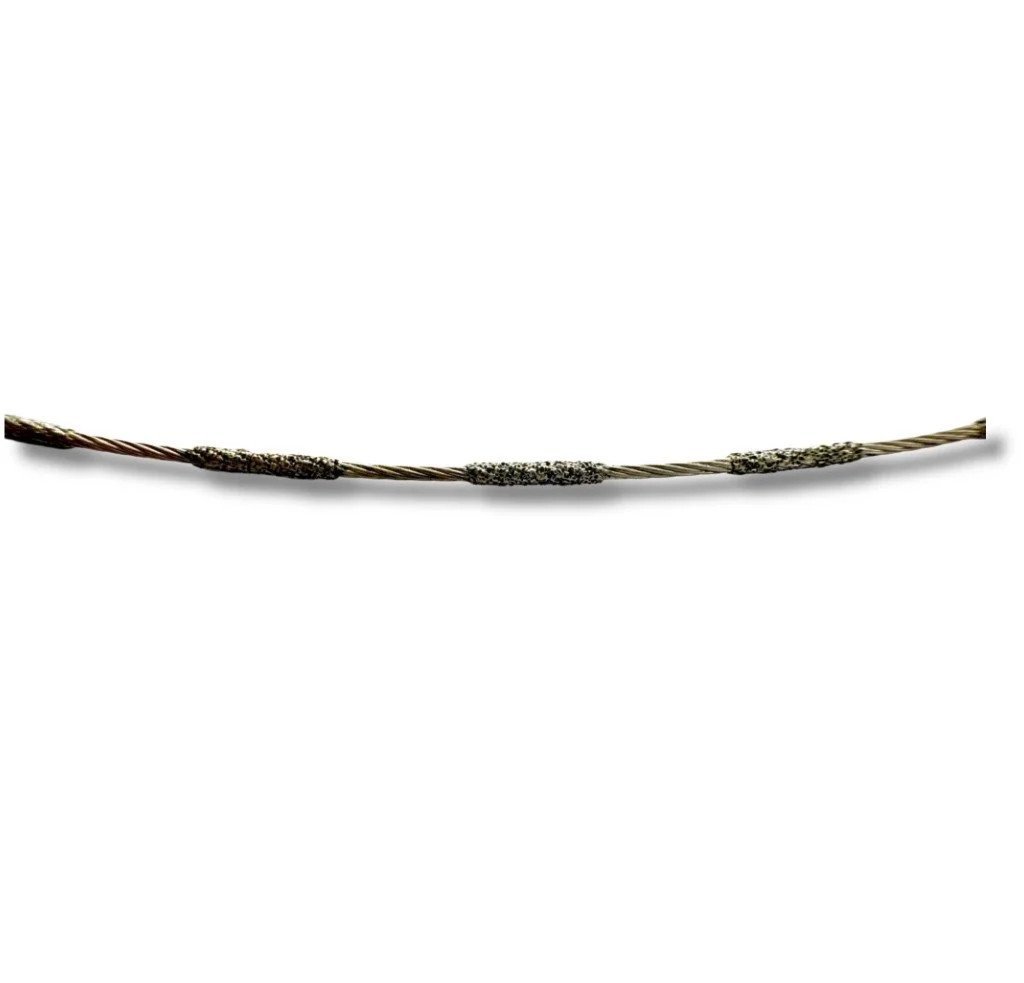
That’s why big cuts like those in a quarry or a metal shop take a long time without stopping. Little diamond beads run up and down the wire. As the loop spins, they do the actual diamond wire saw cutting. The better those beads are distributed the smoother the cut is.
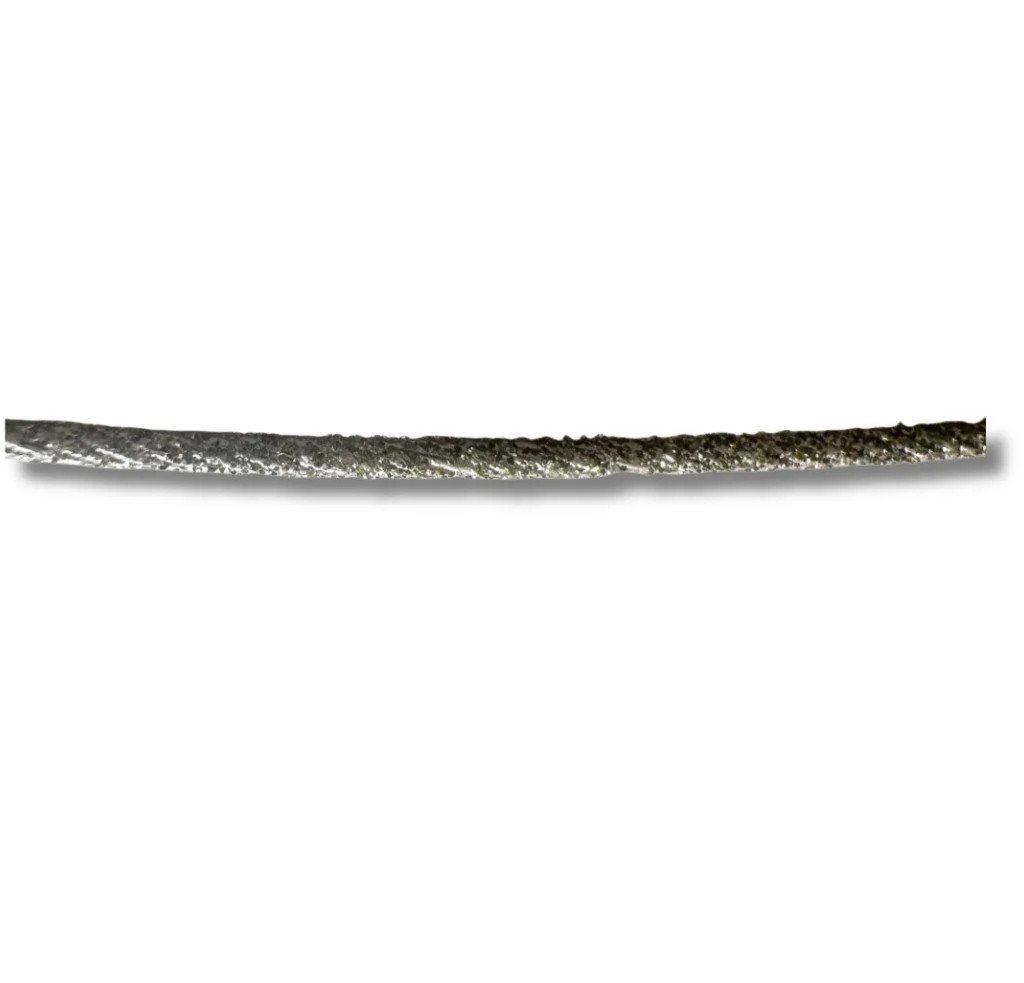
Key Facts About Endless Wire Saw Construction
| Part | What It Does | Why It Matters |
| Closed wire loop | Forms one loop around the pulleys | Lets the saw cut without stopping |
| Diamond beads | Small coated sections on the wire | Cut the material as they rub against it |
| Guide pulleys | Hold and guide the wire’s path | Keep the wire on track and tight |
| Tensioning system | Keeps the wire pulled tight | Stops the wire from going slack or over-tight |
Endless Wire vs Standard Wire Saw Configurations
Not every diamond wire saw has a closed loop. Other jobs have a straight wire between two fixed points. This is easy to set up. But it can not loop like a loop can.
If you need long, steady cuts, an endless wire is the right choice. Large stone blocks and stone quarrying are good examples. The non-stop motion here is more important than the quick setup.
What Endless Wire Saw Features Improve Cutting Speed Consistency?
The speed of a continuous diamond wire saw is dependent on three interacting factors. The beads are spaced so that the wire cuts the same length each turn. Constant tension maintains the cutting pressure all the way through. Guide pulleys in line keep the wire on the same path.
All three remain in range and the speed doesn’t vary much from start to finish. When you start to drift, speed drops. Sometimes it falls down in a pattern. Sometimes it just gets worse with time.
- Bead Spacing: Why Uneven Spacing Causes Speed Fluctuation
Uneven bead spacing means the wire does not engage the material the same way on each turn. Tight spacing cuts more than that with more space between beads.
This makes a pattern. The uneven part of the wire passes through the cut again and again, and the speed rises and falls. This up and down pattern is a sure sign of a spacing problem, not a tension or alignment problem.
- Tension: The Factor Most Likely to Drift Mid-Cut
Wire tension varies during a cut. Heat accumulates. The wire begins to wear out. As the wire passes through different regions of the material , the load on the wire changes.
Such drift can grow if there is no active tension control or regular checks. On a long cut it can build up enough to slow the wire down part way through the cut. The one thing most likely to change without warning is tension – until the pace starts to slow.
- Guide Alignment: Keeping the Wire on a Consistent Path
Alignment of the guide pulleys determines whether the wire takes the same path each time. Even a small change causes the wire to drift away from that line.
This drift alters the pressure across the cut. It is not even. It looks like a tension problem but it’s actually a pulley that’s out of whack.
What Causes Cutting Speed to Drop Mid-Cut?
Most speed drops in the middle of a cut can be traced back to one of these:
- Cut continues. No fix in place. Wire tension slowly loosening.
- Bead wear is uneven, often due to the wire not being broken in before full speed use
- Normal wear can loosen guide pulleys from the line over time
- If it is not cooled or flushed enough, heat builds up and the cut slows down
Any one of these can cause a problem by itself. They often sum up together. A loose pulley makes the tension drift worse. Bead wear is accelerated by heat buildup.
How Tension Control Systems Maintain Consistency
The most likely thing to change during a cut is tension. So how it is dealt with is very important. There are two main ways to deal with it and they are not equally good.
There are automatic tensioning systems which vary the tension of the wire during cutting. It’s not just set once at the beginning. You can also catch drift by checking periodically, but that only works on machines that don’t have auto-adjust. They are also slower to respond. Tension control is even more critical for long cuts. It gives more time for a small drift to become a real problem.
Diamond Wire Saw Machine Design and Speed Consistency
Speed isn’t only about the wire loop. Part of it is the machine behind it. Some diamond wire saws maintain their speed throughout the whole cut. Others just run good to the start.
Three most important components of the machine:
- Motor speed is constant through every cut, not just a fast start
- Real-time monitoring detects tension or speed changes before they damage the cut.
- Solid, sturdy frame with low vibration (any shake in the machine will contribute to wire problems)
Even a well set wire loop will cut badly on a shaky machine. Even if the tension is correct and the alignment is correct, the vibration changes the way the beads contact the material.
Endless Wire Saws for Metal vs Stone
The speed control has to be pretty tight depending on what you’re cutting. diamond wire saw for metal generally need tighter control of speed than for stone. Metals are more sensitive to heat. It also calls for tighter tolerances.
For stone cutting in a quarry, the changes in speed can be more rapid without destroying the final block or slab. Adjust bead pattern and tension settings to fit material. What works well on granite may not work on steel or aluminum without modification.
| Factor | Metal Cutting | Stone Cutting |
| Speed tolerance | Narrow – heat sensitive | Wider – more forgiving |
| Main goal | Precision and clean finish | Volume and block yield |
| Cooling need | High and constant | Medium, depends on the job |
| Bead pattern | Finer, closer spacing | Wider spacing is common |
In the end, the trick is simple: first, match your bead spacing and tension to the material. Then tune for speed. What works on stone might be too hot on metal.
Diagnosing Inconsistent Cutting Speed on an Endless Diamond Wire Saw
If speed drops mid-cut, a quick check usually finds the cause quicker than guessing:
- Check tension, not only at the beginning of the cut but more than once during the cut.
- Look for uneven wear on the beads of the wire loop which may indicate a spacing or seasoning problem.
- Make sure the guide pulleys have not shifted from the set position
- Check cooling and flushing flow. Heat build-up can look like- or add to- a mechanical problem
The vast majority of the diamond wire sawing problems are traced to one of these four checks. Go down the list: tension, beads, alignment, cooling. This quickly finds the cause without having to disassemble the whole machine.
Common Mistakes That Undermine Cutting Speed Consistency
Some of the habits come out on jobs that have speed problems:
- Skip the wire break-in step before running at full speed, which causes uneven wear on the beads
- Setting tension once and never checking it again for a long cut
- Often early signs of pulley wear, ignoring minor changes in noise or vibration
- using the same tension and bead setting on very different materials without adjusting it
None of this requires an expensive fix. Most just need a quick daily check and some attention to sound and vibration before the cut slows down, not after.
How to Choose an Endless Diamond Wire Saw
How consistent your speed will be throughout the entire cut (not just how fast you start) depends on selecting the appropriate diamond wire saw device. A few questions can help:
- Is this a machine with auto-tensioning or just a manual setting?
- Can you adjust the bead spacing for the material you are cutting?
- Does it have any live monitoring on tension or speed changes?
- Is the machine rigid enough that it won’t add shake to the cut itself?
Most of these are for steady cuts, not just raw power, and say “yes” to most of them.
Frequently Asked Questions
What is an infinite diamond wire saw?
An endless diamond wire saw is a closed loop of wire that is coated with diamonds. It passes around guide pulleys, allowing it to cut non-stop without changing direction between passes.
- “Common quarrying use” metal cutting, large stone work
- Unlike single pass wire systems
Why do the cutting speeds slow down halfway through the cut?
Often the cut speed is reduced due to slow tension drift, abnormal bead wear or guide pulleys slipping out of alignment during the cut. It is rarely just one cause.
- Often two problems happen at the same time
- Usually easily traced by a short check
How does bead spacing affect the consistency of the cutting speed?
Uneven bead spacing means the wire doesn’t contact the material the same way each time it goes around. This creates a repeated up-and-down speed pattern as the uneven part goes through the cut again.
- Appears as a pattern that repeats, not random dips
- Often linked to poor break-in before use at full speed
“Is the cutting more consistent with automated tensioning?
Yes. Automatic tensioning adjusts wire tension continuously during the cutting cycle. It corrects drift more accurately and faster than the occasional manual checks that are now.
- Best used on long, high-load cuts
- Reduces the need for an operator to check manually
Is cutting speed consistency more important for metal or stone?
When cutting metal the speed control is usually tighter. Metal is more heat sensitive and requires tighter tolerances. In a quarry, stone cutting can be subject to more rapid changes of speed.
- Metal setups often require finer beads and tighter cooling
- Stone setups are more about volume than tight limits
How often is the guide pulleys alignment checked?
Check the alignment of the guide pulley at the start of each job and on long cuts. With normal use it can go out of line over a period of time.
- Small drifts are easier to correct early than after a full cut.
- Often the first clue is a change in sound or vibration.
Conclusion
For a steady cutting speed on an endless diamond wire saw, three things must work together: uniform bead spacing, steady tension and pulleys that stay in line. Not one big breakdown . Most speed drops in the middle of a cut are due to slow drift in one of these .
If you are looking at machines or wire built on these ideas, you should check out Vimfun. What keeps cutting speed consistent from first pass to last is its emphasis on tension, accuracy and even bead spacing.