“Warum wird eine Charge Keramikblöcke perfekt glatt? Was ist die folgende Charge mit Kratzern? Diese Frage habe ich mir oft gestellt. Seit 9 Jahren arbeite ich im Bereich der Präzisionsoberflächenbearbeitung. Die zugrunde liegende Erklärung ist häufig die Wahl des Polierpads. Das richtige Pad funktioniert gut mit jeder industriellen doppelseitigen Poliermaschine.
Dieser Artikel behandelt die besten Pads für industrielle doppelseitige Poliermaschinen. Ich werde die Polyurethan-, Filz- und Rillenpads besprechen. Sie werden entdecken, wie jedes Pad Geschwindigkeit, Oberflächengüte und Teilelebensdauer beeinflusst.
Was ist eine industrielle doppelseitige Poliermaschine?
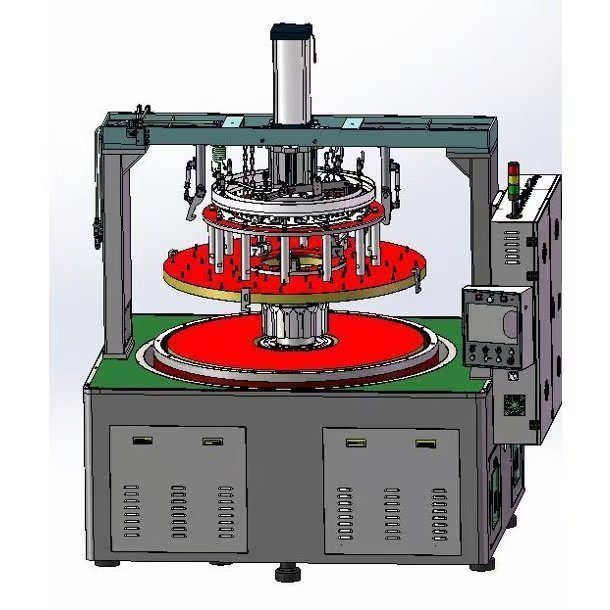
Eine industrielle doppelseitige Poliermaschine poliert beide Seiten eines Teils. Gleichzeitig erreicht sie dies. Sie hat zwei rotierende Platten. Dazwischen befindet sich der Anteil. Es spart Zeit. Sie müssen das Teil nicht umdrehen. Sie wird in Fabriken zur Herstellung von Keramik, Glas und Siliziumwafern eingesetzt.
Ein solches Beispiel ist eine Poliermaschine für Halbleiterwafer. Viele Anlagen verwenden auch eine Großformat-Poliermaschine für riesige Platten. Das Pad kommt mit der Substanz in Kontakt. Daher beeinflusst der Padtyp das Endergebnis.
Pad-Typen im Überblick
| Merkmal | Polyurethan-Pad | Filz-Pad | Rillen-Pad |
| Oberflächengüte | Sehr fein, spiegelglatt | Weich, mittel-fein | Glatt mit schnellem Abtrag |
| Bestes Material | Glas, Keramik, Wafer | Empfindliche Steine, Linsen | Metalle, harte Keramik |
| Slurry-Fluss | Mäßig | Niedrig | Hoch |
| Lebensdauer | Lang | Mittel | Lang |
| Typische Anwendung | Keramikpoliermaschine, Wafer-Linien | Optische und weiche Teile | Starker Materialabtrag |
Welches Pad ergibt die glatteste Oberfläche?
Wünschen Sie eine glänzende Oberfläche? Wählen Sie ein Polyurethan-Pad. Es hat eine dicke, geschlossene Oberfläche. Es hält die Paste in einem dünnen, gleichmäßigen Film. Dies führt zu geringen Kratzerraten. Es schneidet gut bei schweren Materialien. Die erste Wahl vieler Wafer- und Linsenhersteller. Das Pad bleibt auch bei wiederholter Verwendung flach.
Dies ermöglicht eine gleichmäßige Fertigstellung der Teile über die gesamte Oberfläche. Verschleißt nicht schnell, auch nach langen Schichten. Dies ist ein Pad, das Bediener bevorzugen, da die Ergebnisse von Charge zu Charge gleich sind. Diese Art von konstanter Produktion ist besonders wichtig in großen Keramik- und Glaslinien. Eine industrielle doppelseitige Poliermaschine poliert zwei Seiten gleichzeitig.
Wo Polyurethan-Pads am besten funktionieren
Dies sind die idealen Pads, wenn die Ebenheit am wichtigsten ist. Geeignet für Halbleiter- und optische Anwendungen. Sie eignen sich auch für exquisite Keramikarbeiten. Diese Pads werden oft im letzten Durchgang einer Keramikblock-Poliermaschine verwendet.
Das Pad verformt sich nicht unter Belastung. Es ist schwer zu zerreißen. Dies ist eine geeignete Wahl für eine 9000N polishing force machine . Sie benötigen ein festes Pad für hohen Druck. Jede industrielle doppelseitige Poliermaschine benötigt das richtige Pad.
Häufige Anwendungen für Polyurethan-Pads:
- Veredelung von Saphir- und Siliziumwafern
- Polieren von optischen Linsen und Spiegeln
- Hochwertige Fliesen- und Blockoberflächen in der Keramik
- Präzisionsläppen von Metallkomponenten
Polyurethan-Pad-Typen im Überblick
| Pad-Untertyp | Härte | Oberflächengüte | Gängige Industrie |
| Weiches Polyurethan | Niedrig | Sehr fein | Optik, Wafer |
| Mittleres Polyurethan | Mittel | Fein bis mittel | Keramik, Glas |
| Hartes Polyurethan | Hoch | Schnell schneidend | Metallteile |
| Schaumstoffkaschiertes Polyurethan | Sehr niedrig | Ultrafein | Linsenpolieren |
Warum ein Filzpad für empfindliche Teile wählen?
Die weiche Option ist ein Filzpad. Es wird aus komprimierten Fasern hergestellt. Dies verleiht ihm eine weiche und biegsame Konsistenz. Verwenden Sie es auf dünnen oder zerbrechlichen Teilen. Es verteilt den Druck gleichmäßig. Schwache Bereiche bilden keine Risse. Es fühlt sich auch ein wenig federnd auf der Oberfläche des Teils an.
Dies ermöglicht es ihm, winzigen Vertiefungen oder Kurven ohne zusätzliche Belastung zu folgen. Viele Arbeiter glauben, dass ein Teil keiner strengen Behandlung standhalten kann. Es schneidet nicht schnell, hält aber die Teile sicher. Seine Sicherheit macht es zu einer intelligenten Wahl für empfindliche, hochwertige Materialien. Eine gute industrielle doppelseitige Poliermaschine spart Zeit und Mühe.
Wann Filzpads die richtige Wahl sind
Filzpads glänzen auf Linsen und dünnen Wafern. Sie eignen sich auch gut für weiche Steinteile. Sie schneiden nicht schnell. Aber sie hinterlassen eine makellose Oberfläche mit wenigen Defekten. Viele Betriebe nutzen das Filz ausschließlich für den letzten Schliff. Der Pad-Typ beeinflusst die Leistung der industriellen doppelseitigen Poliermaschine.
Dieses Pad ist auch großartig für leichte Maschinen. Es ist keine volle 4-Achsen-Kraft erforderlich. Filz eignet sich gut für langsamere, vorsichtigere Fertigungsläufe, bei denen Qualitätskontrollen wichtiger sind als Geschwindigkeit. Es wird täglich in kleinen optischen Betrieben verwendet.
Gründe, warum Werkstätten Filzpads wählen:
- Minimale Bruchgefahr für dünne oder zerbrechliche Teile
- Gleichmäßiger, weicher Druck auf die Oberfläche
- Gut für den letzten Schliff ohne aggressives Schleifen
- Reduzierung von Schlammabfall durch langsames, gleichmäßiges Schneiden
Filzpad vs. Polyurethanpad – Schneller Vergleich
| Vergleichspunkt | Filz-Pad | Polyurethan-Pad |
| Geschwindigkeit des Schneidens | Langsam | Mittel bis schnell |
| Handhabung von zerbrechlichen Teilen | Ausgezeichnet | Gut |
| Oberflächenglanz | Hoch | Sehr hoch |
| Beste Prozessstufe | Letzter Schliff | Mittlerer bis letzter Schliff |
Einfach ausgedrückt, Filzkissen schützen empfindliche Bereiche. Sie bieten einen schönen sauberen Glanz. Polyurethanpads schneiden schneller. Sie bieten ein schärferes, spiegelähnliches Finish. Wählen Sie Filz, Teile könnten brechen. Wenn Geschwindigkeit und Ebenheit wichtig sind, verwenden Sie Polyurethan. Ein starker Industrielle doppelseitige Poliermaschine schneidet schnell und sauber.
Vorteile von Filzpads: schonend zu spröden Teilen, geringes Kratzerrisiko, glatte Endtextur.
Nachteile von Filzpads: langsamerer Schnitt, schnellerer Verschleiß unter Last und schwach auf harten Metallen.
Ist ein gerilltes Pad besser für die Entfernung von schwerem Material?
Ja. Die Top-Wahl für die schnelle Entfernung ist ein gerilltes Pad. Die Rillen lassen den Schlamm frei fließen. Sie räumen auch Ablagerungen ab. Dies hilft, das Pad kühl zu halten. Es verhindert auch Staus bei längeren Arbeiten. Die Rillen bieten auch einen Weg für das Pad, Material abzugeben, während es verschleißt.
Dies hält die Oberfläche sauber statt körnig. Frischer Kontakt bedeutet, dass das Pad mit der gleichen Geschwindigkeit schneidet, Lauf für Lauf. Die konstante Schnittgeschwindigkeit erleichtert es den Unternehmen auch, ihre Produktion zu steuern, da weniger Aufgaben Pad-Inspektionen während des Laufs erfordern.
Wie gerillte Pads die Schwerlastarbeit verbessern
Beim Läppen von Metallen werden oft gerillte Pads verwendet. Auch gut für die Entfernung von hartem Keramik. Die offenen Passagen nehmen gut hohen Druck auf. Sie lassen das Teil nicht zu heiß werden.
Dies macht gerillte Pads zu einer idealen Wahl für einen Hochdrehmoment-Doppelseitenpolierer. Sie installieren auch einen 4-Achsen-Polierer mit variabler Geschwindigkeit. Beide Geräte bieten hervorragende Geschwindigkeit und Leistung.
Warum gerillte Pads für Schwerlastarbeiten geeignet sind:
- Besserer Schlammfluss, weniger Pad-Stopps
- Langer Zyklus, niedrigere Betriebstemperatur
- Schnellere Materialentfernung auf harten Oberflächen;
- Stetiger harter Druck bei länger lebendem Pad
Leistungsergebnisse von Pads in der Praxis
| Fallstudie | Material | Verwendetes Pad | Zusammenfassung der Ergebnisse |
| Keramikblockfabrik | Aluminiumoxidkeramik | Gerilltes Pad | Schnittzykluszeit um fast ein Drittel reduziert |
| Wafer-Fertigungslinie | Siliziumwafer | Polyurethanpad | Submikrometer-Ebenheit erreicht |
| Optikwerkstatt | Glass-Linsenrohlinge | Filzpad | Kratzdefekte scharf einschneiden |
| Metallteile-Shop | Edelstahlplatten | Gerilltes Pad | Besserer Slurry-Fluss, weniger Verstopfung |
Jedes Szenario veranschaulicht den Einfluss der Pad-Wahl auf das Ergebnis. Gerillte Pads erhöhten die Geschwindigkeit. Polyurethan-Pads sorgten für verbesserte Ebenheit. Filz-Pads verringern Kratzer. Das richtige Pad ist immer an die Materialanforderungen gebunden.
Wie beeinflusst die Pad-Wahl ein doppelseitiges Läppsystem?
Die Pad-Wahl ist wichtig, über das Polieren hinaus. Sie ermöglicht auch eine doppelseitige Läppmethode. Das Ziel ist hier Materialabtrag, schnell und gleichmäßig. Dies geschieht vor dem letzten Polierschritt. Eine Hochleistungs-Läppmaschine hat normalerweise ein härteres Pad. Läppen erfordert mehr aggressives Schneiden als feines Polieren.
Ein festeres Pad kommt besser mit harten Bereichen zurecht. Es widersteht auch ständigem Schleifdruck. Diese erste Phase sorgt für eine glatte, ebene Grundlage. Diese Grundlage beschleunigt die folgende Polierphase und macht sie gleichmäßiger.
Pads an den Maschinentyp anpassen
Nicht alle Maschinen benötigen das gleiche Pad. Ein Hersteller von Hochleistungs-Polierern hat oft viele Pad-Optionen. Eine Fabrik poliert vielleicht Glas. Eine andere bearbeitet Metall. Die Verwendung des falschen Pads kann die Produktivität beeinträchtigen.
Es kann auch Teile beschädigen. Passen Sie das Pad also an das Material und die Maschine an. Dieser kleine Schritt kann Stunden an Nacharbeit und Ausschuss auf lange Sicht sparen.
Tipps zur richtigen Pad-Abstimmung:
- Pad nach Prüfung der Materialhärte auswählen
- Pad-Typ an die Kraft-Einstellung Ihrer Maschine anpassen
- Kleine Chargen vor großen Produktionsläufen testen
- Art des Slurrys und die Pad-Auswahl prüfen
Häufig gestellte Fragen
Welcher Pad-Typ ist am besten für das Glaspolieren?
Am besten für Glas sind Poly-Pads. Sie bieten ein sauberes, glattes Finish. Sie verteilen den Schlamm gleichmäßig. Sie halten auch bei längeren Läufen.
- Sorgt für ein glattes, spiegelähnliches Finish
- Behält seine Form unter konstantem Druck
- Üblich bei der Herstellung von optischem Glas
Können Filz-Pads harte Metalle bearbeiten?
Nein, die Filz-Pads funktionieren nicht. Sie schneiden zu langsam. Sie ermüden auch leicht unter Druck. Metall funktioniert gut mit gerillten oder festen Polyurethan-Pads.
- Filz ist zu weich für schnellen Metallabtrag
- Verschleißt schnell auf harten Oberflächen
- Besser für empfindliche, sensible Materialien
Funktionieren gerillte Pads mit allen Maschinen?
Gerillte Pads passen in die meisten doppelseitigen Maschinen. Aber am besten für Hochdruck-Einstellungen geeignet. Gerillte Pads funktionieren gut auf einem 4-Achsen-Polierer mit variabler Geschwindigkeit.
- Am besten mit leistungsstarken Maschinen
- Verbesserter Slurry-Fluss bei hoher Arbeitslast
- Weniger erforderlich für leichte, feine Polierarbeiten
Was ist der Unterschied zwischen Läpp-Pads und Polier-Pads?
Läpp-Pads sind für schnellen Abtrag gedacht. Polier-Pads werden für Glanz und Finish verwendet. Eine Hochleistungs-Läppmaschine verwendet häufig härtere Oberflächen als ein empfindlicher Polierer.
- Läpp-Pads sind kraftvoller und härter
- Polier-Pads. Weicher für ein feineres Finish
- Oft werden beide Stufen nacheinander ausgeführt
Welches Pad eignet sich für Halbleiterwafer-Arbeiten?
Polyurethan-Pads sind üblich. Sie eignen sich für Halbleiterwafer-Polierausrüstung. Sie bieten die flache, fehlerarme Oberfläche, die Wafer benötigen.
- Bietet Sub-Mikron-Ebenheit
- Geringe Fehler- und Kratzrate
- In den meisten Wafer-Fabriken verwendet
Kann eine Maschine verschiedene Pads für verschiedene Aufgaben verwenden?
Ja, die meisten doppelseitigen Hochdrehmoment-Polierer sind für den Pad-Wechsel eingerichtet. Eine Maschine kann an einem Tag Keramik bearbeiten. Dann kann sie Metallteile verarbeiten.
- Pads können zwischen Produktionsläufen gewechselt werden
- Reduziert Kosten im Vergleich zu separaten Maschinen
- Gute Reinigung zwischen den Pad-Wechseln erforderlich
Abschluss
Das optimale Pad hängt von Ihrem Material ab. Das glatteste Finish erzielen Sie mit Polyurethan-Pads. Filzpolster schützen empfindliche Bereiche. Gerillte Pads schneiden schneller und entfernen mehr Material. Das richtige Pad lässt jede industrielle doppelseitige Poliermaschine ihre beste Leistung erbringen.
Hier kommt Vimfun ins Spiel. Vimfun Heavy Duty Polisher Hersteller: Werkseitig gefertigte Ausrüstung für Polyurethan-, Filz- und Rillenpads von höchster Qualität. Sie eignen sich gut für Keramik-, Glas-, Wafer- und Metallarbeiten. Vimfun ist eine gute Wahl für einen Polierpartner.