기술 세라믹 가공: 방법 비교
기술 세라믹 가공은 분리와 마무리를 결합합니다. 등급, 형상 및 수용도를 사용하여 와이어, 블레이드, 연삭 및 레이저의 역할을 비교합니다.
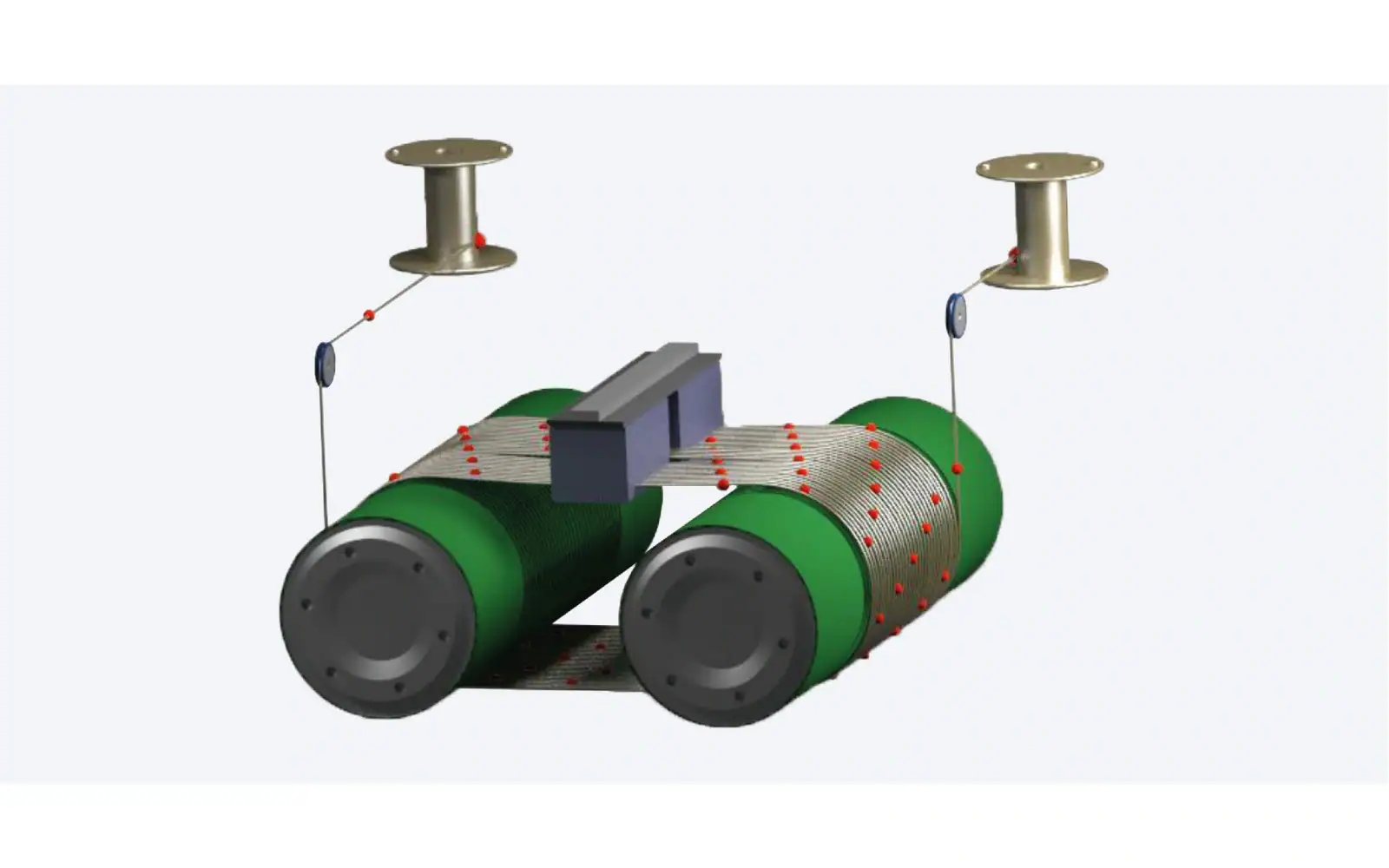
Technical ceramics machining often needs more than one operation: separate the stock, then establish the finished surfaces or features. For a batch of parallel plates, I would start by assessing multi-wire separation. For a localized feature, compare a method designed for that feature rather than make the plate saw do a different job.
Choose the route by the receiving condition. Technical ceramics machining that saves stock at separation can still waste it during finishing if the blank has insufficient allowance or unacceptable flaws.
Vimfun SOM400 lists alumina and zirconia among its applications and provides a batch-separation reference. In technical ceramics machining, its role is to deliver a defined intermediate blank; final features and surfaces may belong to other operations.
Define Technical Ceramics Machining by the Part
Start with grade identification, incoming condition and the output drawing. Alumina, zirconia, silicon nitride and silicon carbide are not interchangeable materials, and different grades within one family can also need different evaluation. An unspecified hardness chart is not a cutting specification.
그만큼 ceramic engineering overview provides background on the field. For equipment selection, replace broad material labels with the supplier's actual grade documentation and the customer's acceptance criteria.
Are you separating stock or creating a final feature?
Dividing a block into parallel plates is one task. Producing a hole, slot, outside profile or reference surface is another. A route can use more than one method without implying that the methods are interchangeable at every step.
Technical ceramics machining should identify the order in which geometry is established. A blank may need enough stock for later surfaces, while a finished feature may require a different fixture and inspection approach. The drawing should state those interfaces clearly.
For the block-to-plate application, consult 기술 세라믹 절단. Its scope is useful for repeated slices; it should not be treated as a claim that the same setup produces every possible component feature.
Multi-Wire Sawing: Repeated Separation Planes
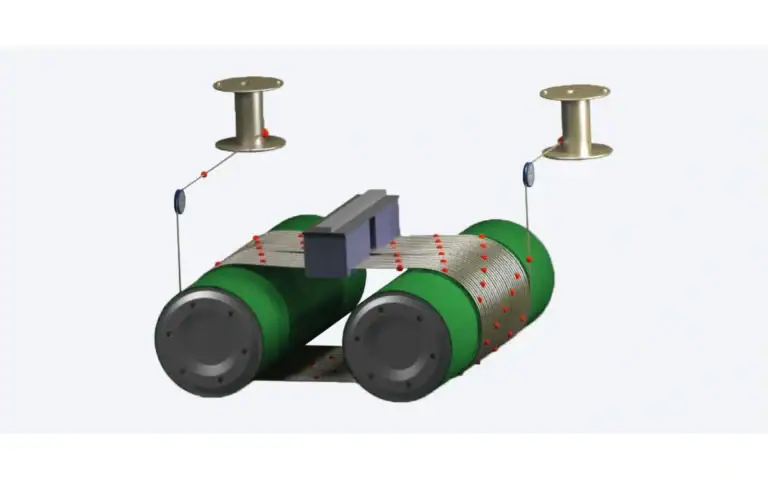
A guided wire web can create several parallel blanks from one mounted workpiece. This method is worth evaluating when the output is a batch of plates and the incoming stock can be mounted and supported appropriately.
In technical ceramics machining, the benefit of repeated cutting positions must be judged by accepted blanks. Effective cutting width, edge defects, thickness variation and release losses affect the useful output. Nominal slice count is not enough.
그만큼 이중 판 다중 와이어 톱 describes one batch arrangement. The 진동 다중 와이어 톱 describes another motion concept. Evaluate each against actual stock; neither link establishes an application-specific result.
Diamond Blades: Individual Cut Planning
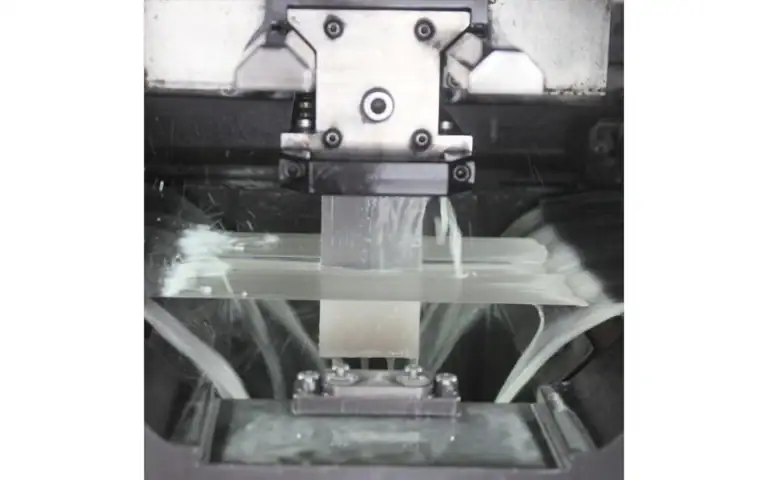
Blade systems can be evaluated for individual separations with suitable access and support. The tool arrangement, number of cuts and fixture changes affect the complete process effort. The apparent simplicity of one cut does not describe an entire batch route.
For technical ceramics machining, compare output under the same part requirement as the wire route. Include cutting width, remaining stock, edge condition and the effort needed before finishing. Avoid claiming a universal speed or dimensional advantage without a representative test.
A blade demonstration on a thick specimen may answer whether a material can be separated, while leaving a thin production requirement unresolved. State that limitation rather than expanding the result into a broad capability claim.
Grinding: Establishing the Receiving Geometry
Grinding commonly performs a finishing or feature-generation role within the route. Define which dimensions and surfaces it is intended to establish. The as-cut blank must provide the approved stock and reference surfaces for that operation.
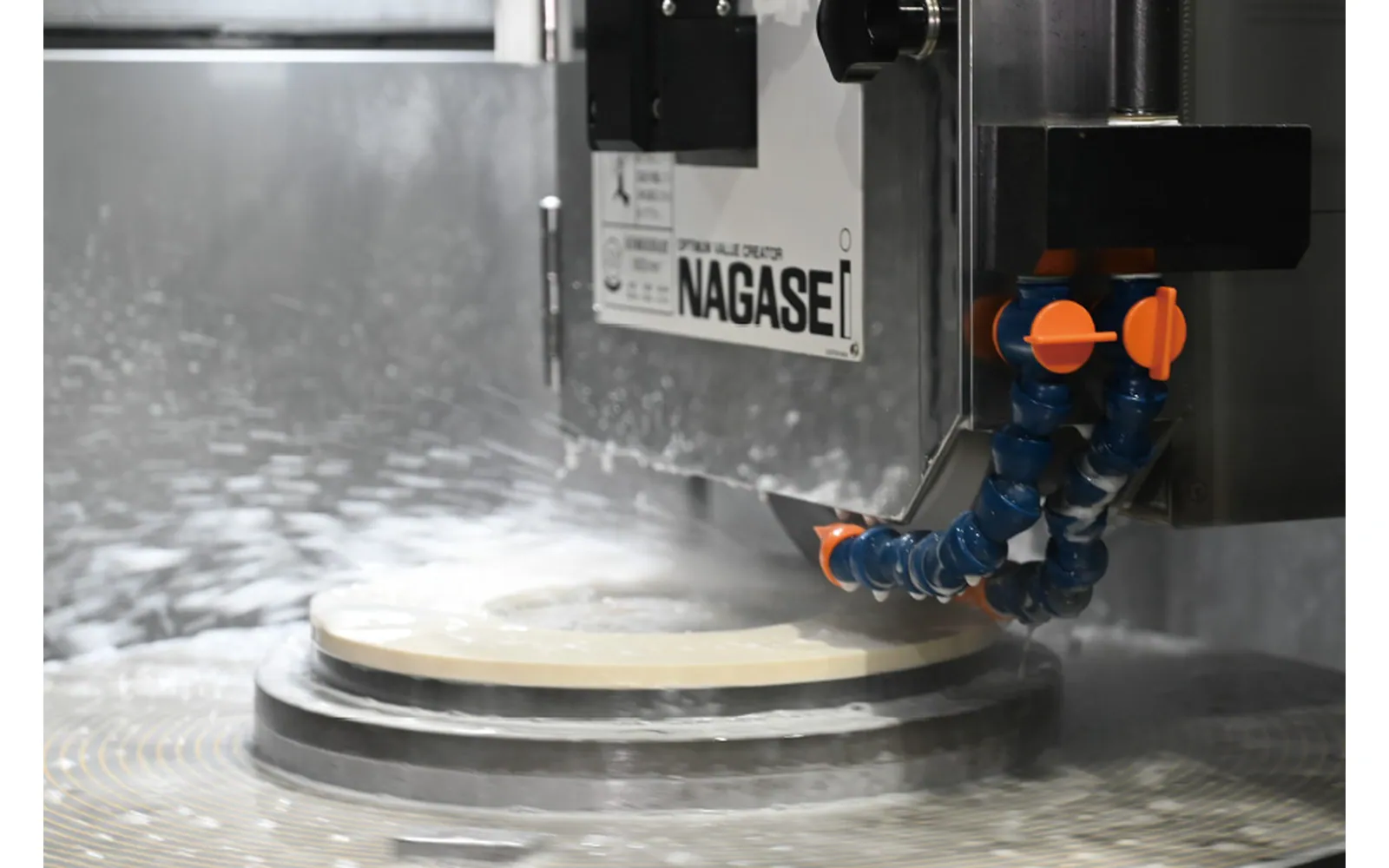
Technical ceramics machining should keep cutting damage and grinding-related damage assessment distinct. A later operation may remove one defect population while introducing another. The final component needs evaluation in its actual completed condition.
Do not equate a shiny surface with a qualified surface. Roughness, geometry and internal flaws require their relevant methods. Ask the receiving team which characteristics matter to the component and how they will be measured.
What does the proposed laser process leave behind?
“Laser” describes a broad tool category rather than a single ceramic process. The proposed system, material thickness, feature and separation mechanism determine which trial is meaningful. A feature created in thin stock does not demonstrate the same result in a large block.
In technical ceramics machining, ask the laser supplier to define how boundary quality, modified material and any cracking relevant to the part will be assessed. Avoid general claims that every laser route is damage-free or that every process has the same thermal effect.
Use a common output drawing when comparing laser and abrasive methods. If one proposal supplies a near-final feature and another supplies a blank for grinding, include the additional operations before judging the routes.
A Practical Comparison Matrix
Advanced ceramics machining combines separation and finishing operations according to the part drawing. A wire saw can create repeated blanks, a blade can make individual cuts, grinding can establish specified geometry, and a proposed laser route must identify its separation mechanism and remaining surface condition. Compare the complete route and output, not just tool names.
| 방법 | Task to evaluate | 요청할 증거 |
|---|---|---|
| 멀티 와이어 | Repeated parallel blanks | Accepted count, thickness distribution, release and finishing response |
| 블레이드 | Individual separations | Cut width, edge condition, setup changes and retained stock |
| 연삭 | Final surfaces or defined features | Geometry, surface assessment and relevant flaw evaluation |
| 레이저 | Specified features or separation route | Boundary geometry, modified region and actual downstream acceptance |
This matrix organizes trial questions. It does not rank equipment performance or assign a universal capability to any method. Technical ceramics machining requires the actual grade and geometry to fill in the evidence.
Keep model capability and component acceptance in different columns. The SOM400 information lists 1–35 mm slices and alumina among its applications. The SOMIS-400 introduction lists 0.3–15 mm slices and a swinging-cut concept. The SOM4-630D source uses a separate “cutting accuracy” label. These are not interchangeable measures of finished ceramic quality.
For technical ceramics machining, I would choose the first comparison from the part layout. Repeated parallel plates justify a batch separation test; an individual cutoff calls for a different setup comparison. The receiving process then determines whether the blank is useful.
The trap is ranking wire, blade, grinding and laser by one number when they deliver different stages of the part. A ground sample may have corrected an as-cut geometry error. A separated laser sample may still require finishing. Technical ceramics machining costs and recovery should include those corrections rather than hide them behind a favourable cutting time.
Choose the operation before the tool.
Workholding and Handling Are Part of the Route
The fixture must preserve the datum while providing access and support as material is removed. Check the state near completion as well as at the beginning. Separated parts may need support that the original solid stock did not require.
For technical ceramics machining, plan release, cleaning and transfer before the test. Follow approved material and process documentation for bonding or chemical steps. Inspect accessible features before and after release so that defect timing can be investigated.
Keep specimen identity with the output. Representative rejected pieces are often valuable to an investigation; discarding them can leave the team with only a final photograph and competing explanations.
Which defects decide whether the part is usable?
NIST's ceramic and glass fracture work explains the value of examining fracture features when determining failure origins. Such analysis requires an actual specimen and context; it is not something a general process overview can perform from appearance alone.
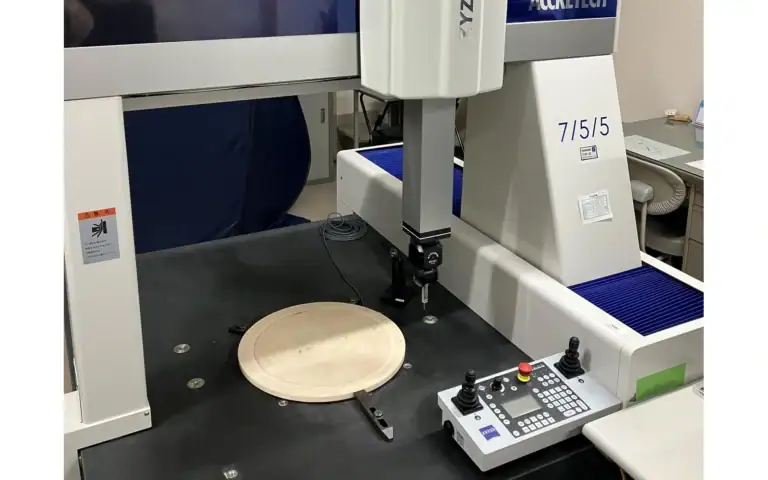
Technical ceramics machining acceptance should list thickness or feature geometry, edge criteria, surface condition and any required internal assessment. State what was measured, how samples were selected and which features remain unverified.
Compare results at the same process stage. A finished sample can represent a complete route, but it should not be presented as as-cut quality if correction was performed afterward.
Make the Comparison a Route, Not a Tool Ranking
Place the operations in the order the actual part needs. Identify the input and output of each, with the receiver beside it. A list of wire, blade, grinding and laser methods is not yet a process route. The missing information is what each method must deliver and what evidence permits the next operation to begin.
For technical ceramics machining, compare candidate routes at the same finished requirement. A route that includes additional correction can still be useful, but the correction belongs in the comparison. Do not present a corrected sample as the direct output of a separation operation when another candidate is assessed immediately after cutting.
Keep material identity explicit. A method demonstrated on one grade can guide a trial design for another, but it cannot silently qualify it. The article should distinguish a geometric reason to consider a tool from material-specific evidence that the tool meets a particular requirement.
Use one acceptance matrix for the handoffs. The prepared block must fit the mounting plan. The separated blank must retain enough stock and the necessary references. The finished feature must meet the receiver’s inspection. If those requirements conflict, resolve the drawing before optimising any individual station.
A technical ceramics machining decision should explain where each candidate is weak or unverified. The unresolved item might be feature access, release behaviour, correction stock or an inspection limitation. Naming it gives the next trial a purpose; concealing it behind a general promise of precision prevents a useful comparison.
Keep the resource boundary visible without inventing costs. Record the operations included, inspection effort, correction status and tool condition. Actual commercial estimates can be requested separately. A generic article should not substitute assumed price or yield figures for a documented process comparison.
The equipment selection then follows the route. For repeated blanks, evaluate a batch arrangement against the required intermediate geometry. For a local feature, evaluate a method capable of that feature. Both decisions can be correct on the same part, because the methods are solving different operations rather than competing for one universal ranking.
| 결정 필드 | 유지할 증거 |
|---|---|
| Separation | Intermediate geometry, stock reserve and release |
| Feature formation | Access, locating references and output requirement |
| 마무리 | Correction history and final receiving inspection |
질문에 답하는 페이지 선택
This article answers: How should separation, feature formation and finishing be divided between operations? It does not replace the following equipment or application scopes.
| 귀하의 질문 | 관련 페이지 | 경계 |
|---|---|---|
| Need the technical ceramic cutting context? | 기술 세라믹 절단 | 수신 작업에 대한 애플리케이션 또는 프로세스 컨텍스트 |
| Need the dual plate multi wire saw context? | 이중 판 다중 와이어 톱 | 장비 구성 및 명시된 범위 |
| 진동 다중 와이어 톱 컨텍스트가 필요하십니까? | 진동 다중 와이어 톱 | 장비 구성 및 명시된 범위 |
자주 묻는 질문
Does technical ceramics machining need one method for every step?
Not necessarily. Technical ceramics machining is a route decision. Select each operation for the geometry and receiving condition it must establish, and document the handoffs. A method suitable for parallel blanks may not be suitable for the final feature.
What makes a technical ceramics machining comparison fair?
Use the same material identity and finished requirement, and include the correction and inspection stages needed by each route. Distinguish as-cut from corrected samples. Otherwise the apparent quality difference can reflect unequal processing rather than the separation method.
Which technical ceramics machining handoff should be tested next?
Choose the unresolved handoff that most affects the component decision and define its acceptance evidence. That might be release, remaining stock or feature inspection. A focused trial is more informative than another demonstration of an already established machine motion.
Select the Complete Route with a Trial
Provide grade documentation, input geometry, output drawing, finishing allowance and inspection criteria. Identify the main uncertainty and choose a representative sample. Keep setup effort, consumables, rejects and finishing demand visible alongside cutting time.
Mark the operations on the part drawing: separation planes, surfaces to finish and features to create. Give every proposed route the same accepted output requirement. Ask for representative blanks, required finishing and rejected-piece records. Choose the technical ceramics machining route at that complete boundary, with unresolved grade or flaw questions kept explicit.